Souvenir Shop in Hoi An: How to Recognize a Souvenir With Real Cultural Character
A visit to a Souvenir Shop in Hoi An can reveal far more than objects designed to remind travelers of their trip. The shelves may contain ceramics, textiles, handmade decorations, kitchenware, and countless small gifts, each offering a different interpretation of Vietnamese culture.
The challenge is knowing which objects have genuine cultural character.
A meaningful souvenir does not necessarily need to be old, expensive, or traditionally decorated. Often, its cultural value comes from the relationship between material, craftsmanship, design, and everyday life.
Understanding these elements can make shopping in Hoi An much more rewarding.
Cultural Character Is More Than Decoration
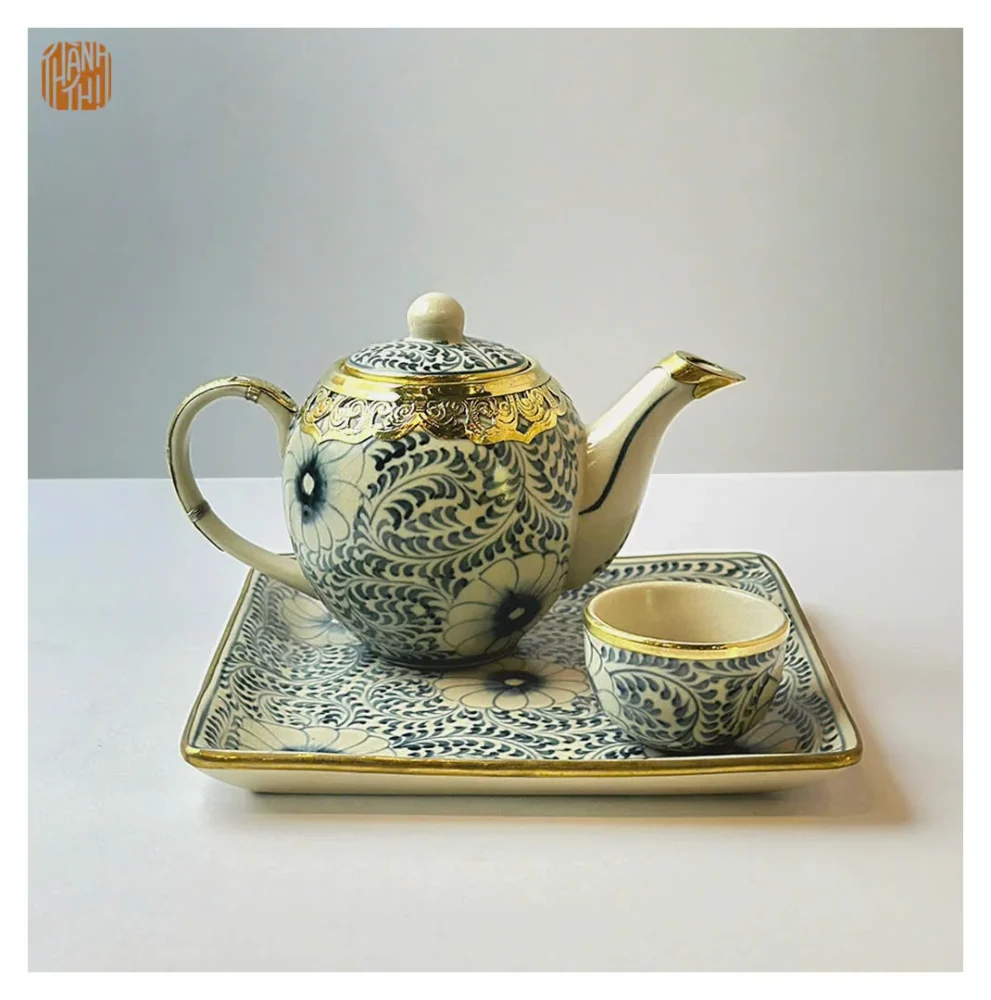
One common assumption is that an object looks culturally authentic when it contains traditional symbols or recognizable Vietnamese imagery.
While these elements can certainly have cultural meaning, they are only one part of the story.
Cultural character can also appear through the way an object is made.
A handmade ceramic cup, for example, may have a simple contemporary silhouette while still reflecting a long-standing relationship between clay, craftsmanship, and functional objects.
The cultural connection is expressed through making rather than decoration alone.
Start With the Material
When exploring a Souvenir Shop in Hoi An, pay attention to what an object is made from.
Natural materials often provide the first clue about craftsmanship.
With handmade pottery, clay becomes part of the visual identity of the finished piece. Subtle variations in surface, shape, glaze, and thickness can reveal that the object has passed through a human making process.
These details are valuable because they distinguish an object created with individual attention from something designed to look handmade without actually being so.
Let the Material Remain Visible
Good craftsmanship does not always try to hide every trace of production.
Small variations can make a handmade object feel more connected to the person who created it.
Instead of treating every irregularity as a flaw, consider whether it contributes to the character of the piece.
This perspective can help travelers appreciate handmade Vietnamese crafts on a deeper level.
Look for Function, Not Just Appearance
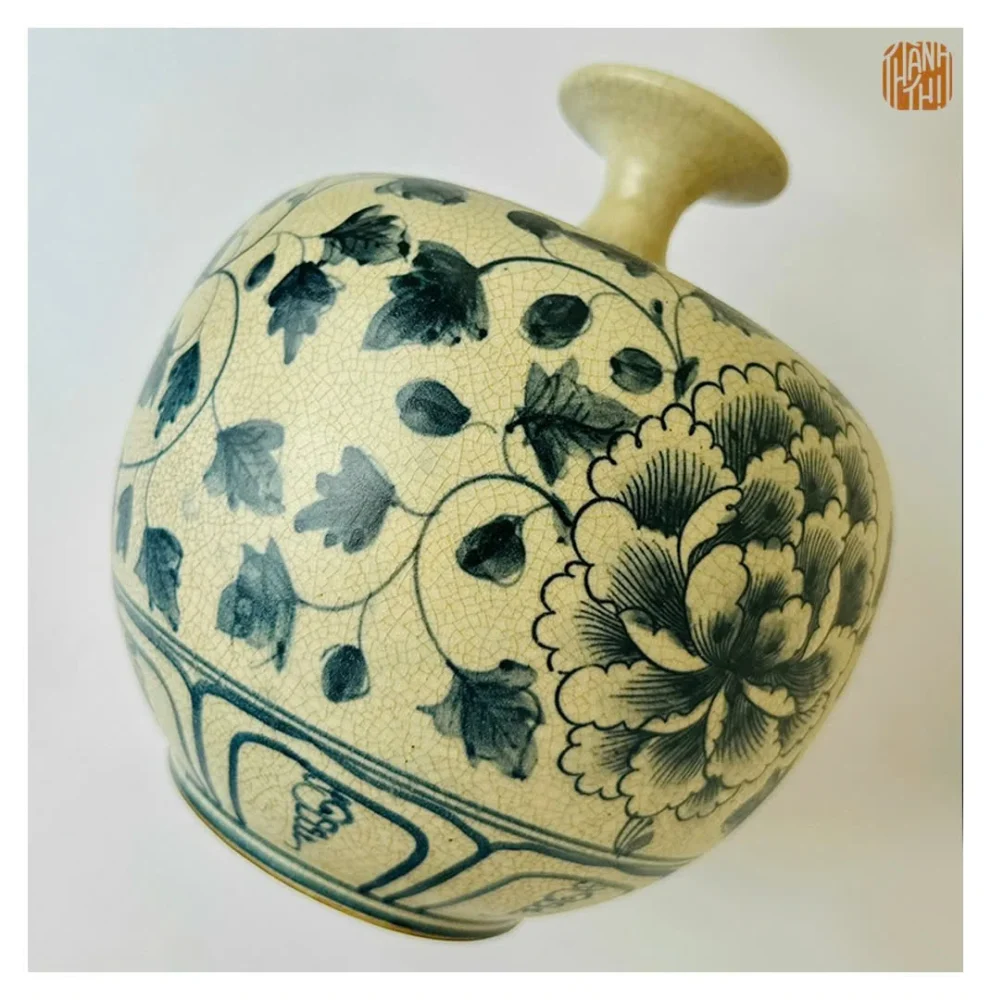
Another way to identify cultural character is to consider how an object relates to everyday life.
Many of the most interesting traditional crafts were not originally created simply for decoration. They were designed to hold, serve, prepare, store, or display something.
That relationship between beauty and usefulness remains relevant today.
A ceramic bowl can carry cultural meaning while becoming part of a modern dining table. A handmade cup can reflect Vietnamese craftsmanship while being used every morning.
When an object continues to function naturally in contemporary life, its cultural character can feel more authentic and lasting.
Pay Attention to the Maker’s Design Language
Artisans often develop recognizable preferences over time.
These may appear through recurring shapes, proportions, surface treatments, color combinations, or approaches to texture.
Looking at several pieces together can therefore reveal something that a single object cannot.
You may begin to notice that the collection has a visual personality.
This is one reason browsing slowly inside a Souvenir Shop in Hoi An can be worthwhile. Instead of selecting the first attractive item, take time to compare pieces and observe what makes the collection distinctive.
Ask What Makes the Object Different
A useful question when buying a souvenir is:
“What could I find here that I would not experience in exactly the same way elsewhere?”
The answer does not have to be a dramatic symbol.
It might be the handmade surface, the proportions of the object, the combination of colors, the artisan’s technique, or the way traditional craftsmanship has been interpreted through contemporary design.
This approach encourages travelers to search for character rather than labels.
Choosing a Souvenir With Long-Term Value
A meaningful souvenir should ideally remain interesting after the suitcase has been unpacked.
Consider how the object might be used, displayed, or integrated into daily life.
Will its design still feel appealing several years from now?
Does its craftsmanship make you want to touch it?
Does it communicate something about Vietnamese creativity without depending entirely on a printed explanation?
These questions can help separate a temporary travel purchase from an object with lasting appeal.
At Thanh Thi Pottery, handmade ceramic pieces provide an example of how Vietnamese craftsmanship can be expressed through objects designed for contemporary living. The emphasis on handmade character allows each piece to carry its own visual identity while remaining functional and approachable.
The Best Souvenirs Do Not Need to Explain Everything
Perhaps the most interesting cultural objects are those that invite curiosity.
They do not necessarily tell their entire story at first glance.
Instead, their shape, material, texture, and craftsmanship encourage the owner to discover more about where they came from and how they were made.
That is what gives a souvenir a deeper role.
When visiting a Souvenir Shop in Hoi An, look beyond familiar tourist imagery. Explore the materials, examine the craftsmanship, consider the object’s purpose, and notice the design decisions behind it.
The right souvenir does more than say, “I visited Hoi An.”