Handmade Pottery Websites: What Makes an Online Pottery Brand Feel Authentic and Trustworthy?
Buying handmade pottery online presents an interesting challenge.
A customer can see the shape of a cup, bowl, vase, or decorative object, but cannot immediately hold it, feel its weight, or examine the glaze under natural light.
This makes the website more than a digital storefront.
For an artisan pottery brand, it becomes the bridge between the maker and the customer.
The most effective handmade pottery websites understand this difference. They do not simply display beautiful photographs. They create enough context for visitors to understand what makes each ceramic piece worth noticing.
Authenticity Begins With Transparency
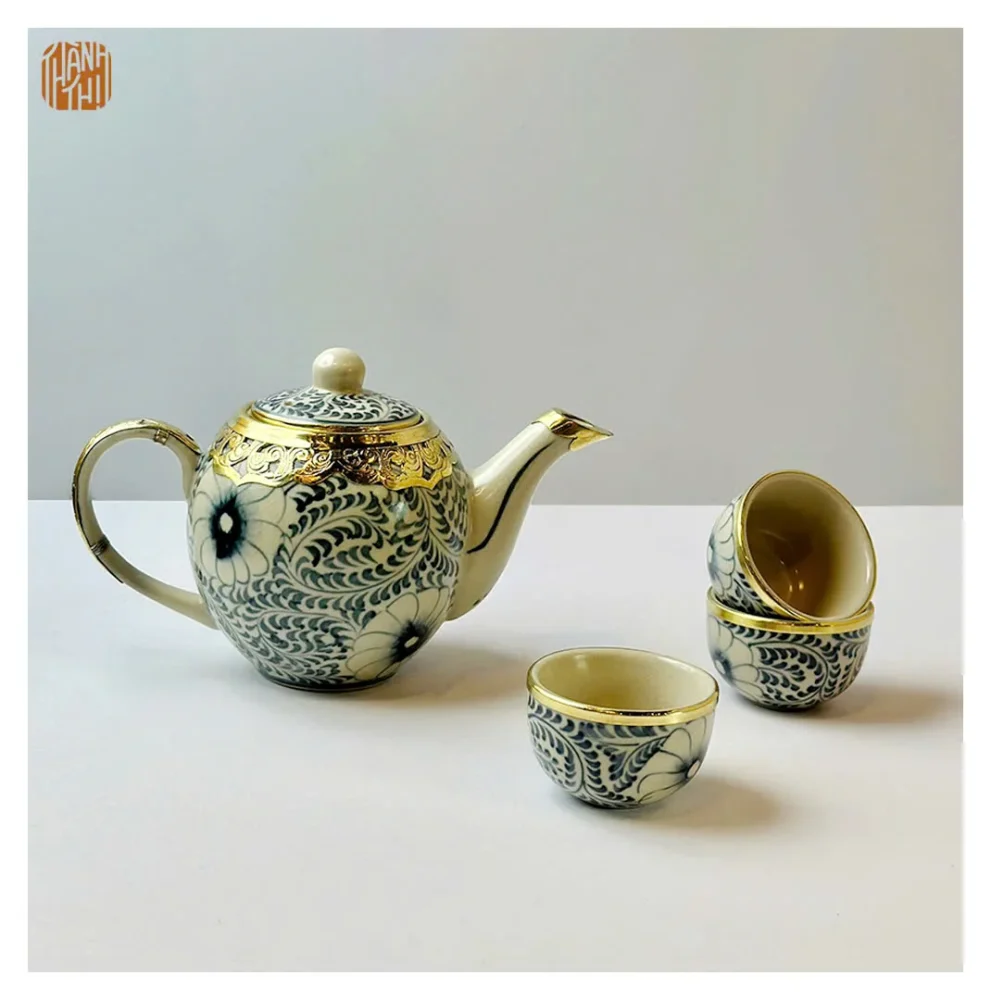
Handmade products naturally raise questions.
Who made this?
Where was it produced?
Is every piece actually handmade?
Why does one item look slightly different from another?
A strong pottery website should make these questions easy to answer.
Clear information about craftsmanship, materials, design philosophy, and the brand’s background helps customers feel more confident about what they are considering.
Transparency does not need to be complicated.
Sometimes, a well-written paragraph about the studio can communicate more than a collection of promotional slogans.
Product Photography Needs to Show More Than Beauty
A single polished product photograph is rarely enough for handmade ceramics.
Customers need to understand the object from different perspectives.
Useful photography can show:
- Front and side profiles
- Surface details
- Glaze variation
- Scale in relation to a hand
- Base and finishing details
- The object in an everyday setting
These views help recreate part of the physical experience online.
Texture Is Especially Important
Ceramics are tactile objects.
A photograph cannot reproduce touch, but it can communicate visual clues about texture.
Close-up images can reveal whether a surface is glossy, matte, rough, smooth, translucent, or naturally varied.
This level of detail gives customers a better understanding of what they are actually buying.
Measurements Should Feel Practical

Technical specifications may seem ordinary, but they are essential for online pottery shopping.
A product page can provide dimensions, capacity, approximate weight, materials, and care information.
However, measurements become even more useful when connected to everyday context.
Instead of simply stating the height of a cup, for example, the website can show it being held or placed beside another familiar object.
This allows visitors to visualize scale more naturally.
The Story Behind the Object Matters
People who buy handmade ceramics are often interested in more than the physical object.
They may want to know why a particular shape was created.
What inspired the color?
Why was a certain surface treatment selected?
What makes the collection different?
A product description can answer these questions without becoming overly promotional.
The story should help customers understand the thinking behind the object.
That creates a stronger relationship between product and audience.
Show the Human Side of the Brand
One of the biggest advantages of an artisan business is the human element.
Customers can connect with the people, places, and creative decisions behind the products.
Photographs of the studio, artisans working with clay, shelves filled with ceramics, or details from the making environment can provide valuable context.
This visual material communicates something product photography alone cannot.
It shows that the objects have a physical origin.
Behind-the-Scenes Content Builds Familiarity
A website can introduce visitors to different stages of the creative environment without turning every page into a technical tutorial.
Short stories, studio photographs, collection notes, and artisan perspectives can make the brand feel more approachable.
The customer gradually develops familiarity before making a purchase.
Consistency Creates Professionalism
Authenticity does not mean a website should look unfinished.
A successful handmade pottery website can combine warmth with professional presentation.
Typography, photography, navigation, product descriptions, and brand messaging should feel connected.
When these elements are consistent, visitors can focus on the ceramics rather than becoming distracted by the website itself.
Professional presentation also signals that the brand takes its craftsmanship seriously.
A Website Should Preserve the Feeling of Handmade Work
There is an interesting balance to maintain.
A pottery website needs modern usability, but it should not make handmade ceramics feel like anonymous mass-produced merchandise.
The design can leave room for texture, natural photography, imperfect details, and thoughtful storytelling.
This allows the digital environment to reflect the character of the physical objects.
The goal is not to make the website look rustic simply because the products are handmade.
It is to make the digital experience feel consistent with the brand’s creative identity.
Trust Is Built Through Small Details
Customers often decide whether they trust an online brand through seemingly minor signals.
Accurate descriptions.
Clear photographs.
Straightforward care instructions.
Visible contact information.
Consistent branding.
Thoughtful packaging information.
Easy-to-understand purchasing details.
None of these elements is particularly dramatic on its own.
Together, however, they create confidence.
Why Authenticity Matters for Vietnamese Pottery
For international audiences, a website can also serve as an introduction to Vietnamese craftsmanship.
Customers who have never visited Vietnam may discover ceramic traditions through an online collection.
This makes digital presentation an important part of cultural communication.
At Thanh Thi Pottery, the website can help connect the physical character of handmade ceramics with audiences beyond Hoi An and Vietnam.
The challenge is not simply selling an object online.
It is communicating why the object exists, where it comes from, and what makes it meaningful.
Turning an Online Visit Into a Personal Connection
The best handmade pottery websites do not try to replace the experience of visiting a studio or holding a ceramic piece.
Instead, they provide a different kind of access.
They allow people to explore collections at their own pace, learn about craftsmanship, compare forms, and understand the personality of an artisan brand.
When photography, information, and storytelling work together, an online visitor can begin to imagine the physical object before it ever arrives at their door.
That is the real purpose of an artisan pottery website.
Not simply to display products.
But to make the distance between maker and customer feel a little smaller.