Handmade Pottery in Hoi An: How Local Craftsmanship Inspires Contemporary Ceramic Design
Handmade Pottery in Hoi An exists at an interesting intersection between tradition and contemporary creativity.
For centuries, pottery has been closely connected with everyday life, from vessels and kitchenware to decorative objects. Today, ceramic makers continue to explore clay while responding to changing lifestyles, interiors, and aesthetic preferences.
The result is not necessarily a rejection of tradition.
Instead, traditional craftsmanship can provide a foundation for new ideas.
Tradition Does Not Have to Look Traditional
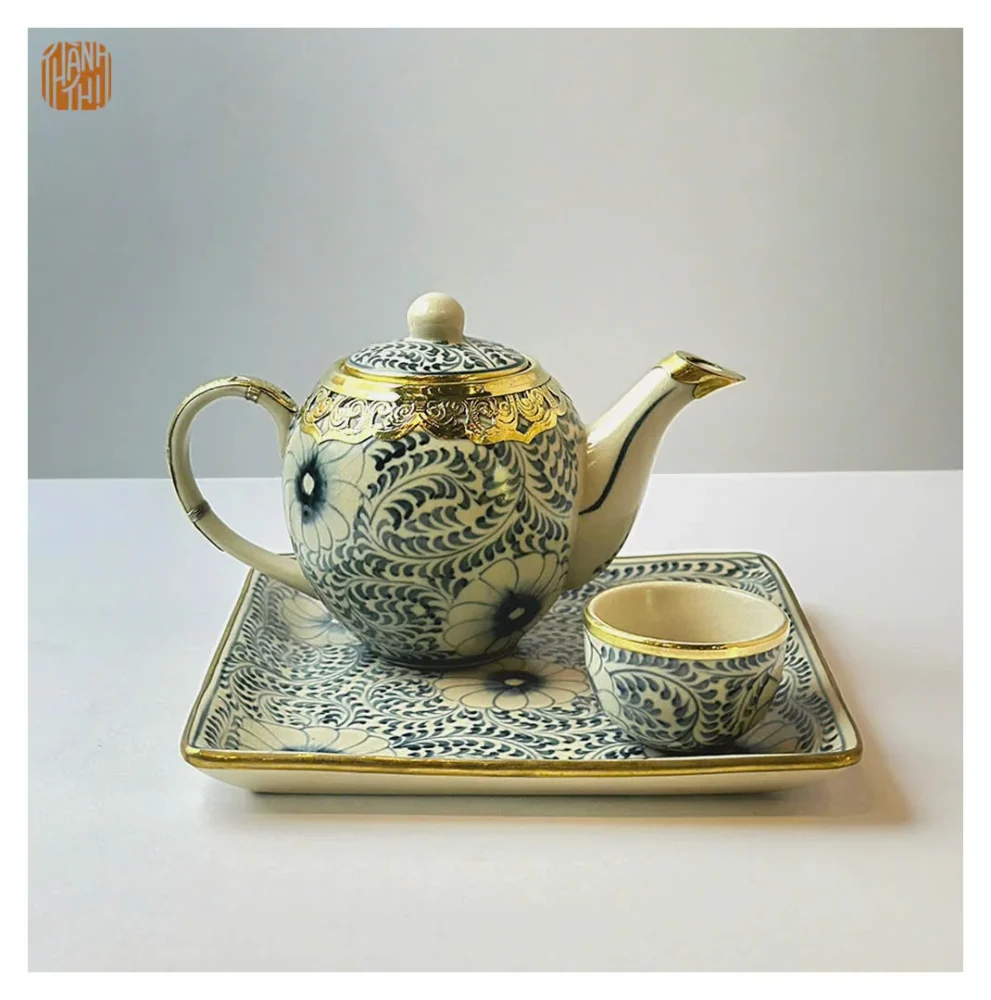
When people think about Vietnamese pottery, they may imagine familiar forms, traditional colors, or historical decorative patterns.
Contemporary ceramic design can take a different direction.
An artisan may preserve the fundamental process of working with clay while creating a cleaner silhouette, a simpler surface, or a form designed specifically for modern interiors.
The technique remains connected to craft history, but the visual language evolves.
This distinction is important.
Tradition is not simply about repeating an old appearance. It can also mean carrying forward the knowledge of working with materials and adapting it to another generation.
Clay Creates a Natural Starting Point for Innovation
Ceramic design begins with a material that is surprisingly responsive.
Clay can be shaped, compressed, carved, stretched, textured, and transformed before firing.
This flexibility gives artisans considerable freedom to experiment.
A traditional technique may therefore lead to a completely contemporary object.
A simple cup can explore unusual proportions.
A bowl can emphasize asymmetry.
A decorative piece can focus almost entirely on texture.
The material provides continuity while the design introduces change.
Modern Interiors Influence Ceramic Forms
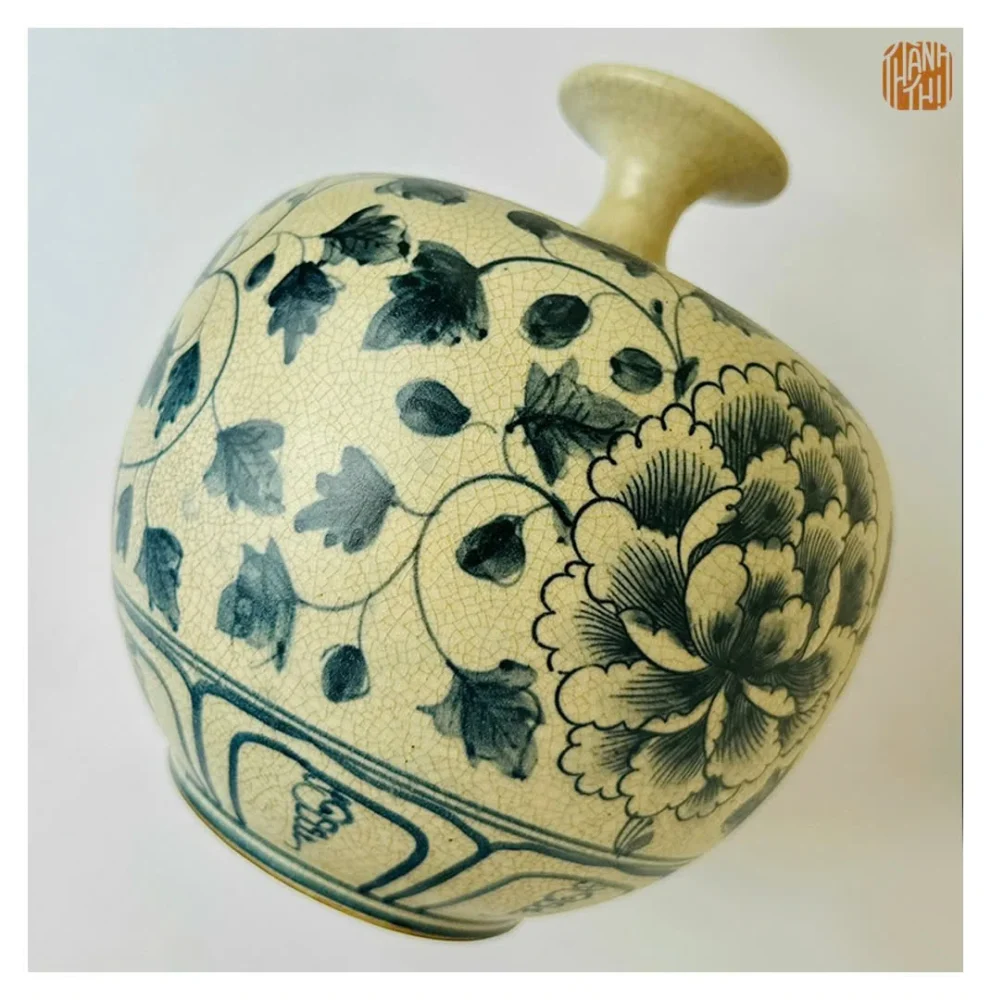
The way people live today has naturally influenced handmade ceramics.
Contemporary homes often favor objects that combine practicality with visual simplicity.
This has encouraged ceramic makers to consider how traditional craftsmanship can fit into modern kitchens, dining rooms, offices, cafés, and hospitality spaces.
A handmade piece does not need to look old-fashioned to communicate craftsmanship.
Its handmade quality can become the most important connection to tradition.
Simplicity Can Highlight Craftsmanship
Minimal forms often make small details easier to notice.
When there is little decorative distraction, the viewer can focus on the curve of a rim, the transition between surfaces, or subtle variations in glaze.
This creates an interesting relationship between simplicity and craftsmanship.
The less an object tries to communicate visually, the more important its construction can become.
Texture Connects the Past With the Present
Texture is another powerful element in contemporary ceramic design.
A smooth surface may emphasize refinement.
A rougher finish can make the material feel more tactile and organic.
Subtle variations can remind the viewer that the object was shaped through a physical process rather than manufactured entirely by machines.
For Handmade Pottery in Hoi An, this tactile quality can create a bridge between Vietnamese craft traditions and contemporary design preferences.
The object feels modern without losing its connection to handmade production.
Vietnamese Craftsmanship Can Travel Across Design Styles
One of the strengths of handmade ceramics is adaptability.
A Vietnamese ceramic piece can work within many different environments.
It may complement a minimalist interior, add warmth to a modern dining table, or introduce an artisanal element into a contemporary workspace.
This versatility allows Vietnamese craftsmanship to communicate beyond its original cultural setting.
The design does not have to imitate a historical object to carry cultural identity.
Instead, craftsmanship itself becomes part of that identity.
The Artisan Becomes Part of the Design Process
Contemporary ceramic design also places greater emphasis on creative individuality.
The artisan is not simply following a predetermined template.
Decisions about shape, surface, proportion, and finishing can reflect personal experimentation.
Over time, these choices can create a recognizable design language.
This is why two ceramic collections made in different places can feel completely different even when they use similar materials.
The hands, preferences, and creative decisions behind the work matter.
Thanh Thi Pottery and Contemporary Vietnamese Ceramics
For visitors interested in Handmade Pottery in Hoi An, Thanh Thi Pottery provides an opportunity to explore how handmade ceramic objects can connect Vietnamese craftsmanship with contemporary everyday life.
The appeal lies not only in traditional techniques but also in how ceramic forms can remain relevant within modern spaces.
A handmade cup or bowl can therefore represent two things at once: a connection to Vietnamese craft culture and an object designed for today’s lifestyle.