Handmade Ceramic Store in Hoi An: How to Read a Ceramic Collection Like a Design Curator
Walking into a Handmade Ceramic Store in Hoi An can feel different from entering an ordinary retail space. Instead of rows of identical products, visitors may encounter collections with different shapes, surfaces, proportions, and visual personalities.
For those who appreciate craftsmanship, choosing a ceramic piece does not have to begin with the question, “Which one looks nicest?”
A more interesting approach is to learn how to read a ceramic collection.
Once you understand the language of form, glaze, texture, and proportion, a pottery store becomes more than a place to shop. It becomes a small design archive where materials and artistic decisions tell a story.
Start With the Shape, Not the Decoration
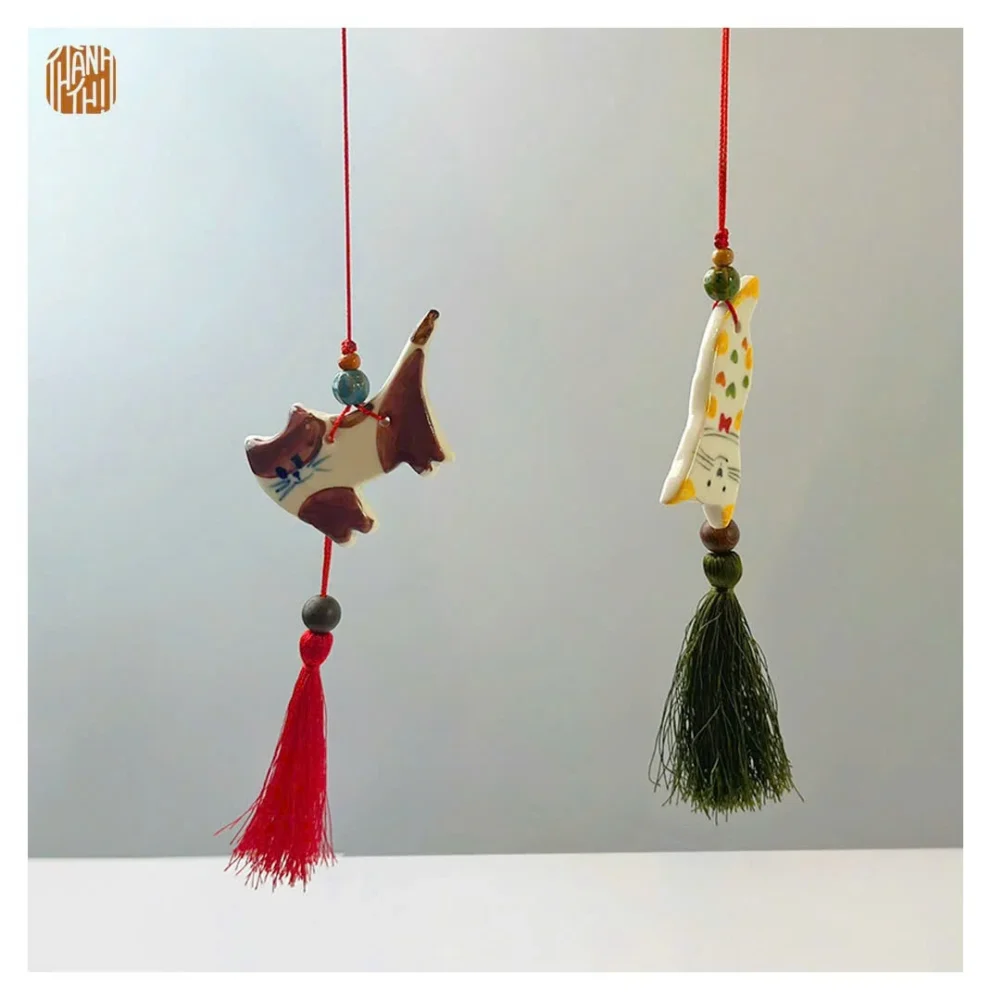
The first thing to observe is the silhouette.
A cup may have a rounded body, a narrow opening, a wide rim, or an intentionally uneven profile. These differences influence how the object feels in the hand and how it appears when displayed.
Look at several pieces together.
Ask yourself:
- Are the forms soft or geometric?
- Do the proportions feel traditional or contemporary?
- Are the shapes visually balanced?
- Does each object belong clearly to the same collection?
A strong ceramic collection often has a recognizable design language even when every piece is slightly different.
Proportion Creates Personality
Two cups can have the same capacity while looking completely different.
One may feel delicate because of its thin walls and small handle. Another may appear substantial because of its wider body and heavier base.
These details are part of ceramic design. They show that appearance is not created by decoration alone.
Look Closely at the Glaze

Glaze deserves more attention than a quick glance from across the shelf.
Move closer and observe how light interacts with the surface. Some finishes appear smooth and reflective, while others have a softer, more tactile quality.
Handmade ceramics can also reveal subtle variations in color distribution. Instead of seeing these changes as inconsistencies, consider how they contribute to the character of the collection.
A glaze can influence whether a piece feels:
- Calm and understated
- Rustic and earthy
- Bright and expressive
- Minimal and contemporary
- Warm and nostalgic
This makes surface treatment an important part of the visual identity of handmade pottery.
Notice What Happens Between Pieces
One of the most fascinating ways to understand a collection is to stop looking at individual objects.
Instead, look at them together.
How does one shape relate to another?
Does the same color appear across different forms? Is a particular texture repeated? Do smaller objects visually balance larger ones?
This relationship creates cohesion.
A well-curated collection does not necessarily require every item to match. It can use recurring elements to create a connection between pieces.
That is especially interesting for visitors exploring a Handmade Ceramic Store in Hoi An, because the collection itself can reveal how an artisan or studio approaches design.
Read the Details From Different Angles
Ceramics change visually depending on how you look at them.
Turn a cup slightly.
Look at the side profile. Examine the base. Notice the transition between the interior and exterior surface.
A detail that is barely visible from the front may become the most interesting feature from another angle.
This is where handmade pottery differs from objects designed to look identical from every direction. Small variations can make the viewing experience more personal.
Touch Is Part of the Experience
When appropriate, holding a ceramic piece can reveal information that photographs cannot.
Weight, balance, surface texture, and the relationship between the body and handle all become easier to understand physically.
Good ceramic design considers not only what an object looks like, but also how it behaves in the hand.
Think Like a Curator Before Choosing
You do not need to be an art expert to appreciate ceramics.
Simply slow down and compare.
Choose three pieces that initially attract you. Then identify why.
Perhaps one has an unusual silhouette. Another may have a beautiful glaze transition. A third might feel particularly comfortable to hold.
This simple exercise changes the shopping experience from quick selection into visual discovery.
At Thanh Thi Pottery, handmade ceramics can be appreciated through this perspective: each collection offers an opportunity to observe how Vietnamese craftsmanship, material qualities, and contemporary design come together.
A Ceramic Store Can Be a Window Into Design Culture
The most memorable pottery stores are not necessarily those with the largest number of products.
They are places where visitors can understand why objects look the way they do.
By paying attention to shape, proportion, glaze, texture, and relationships between pieces, you begin to see ceramics differently.
A visit to a Handmade Ceramic Store in Hoi An can therefore become more than a search for a beautiful object. It can be a lesson in design appreciation—and a chance to discover how something made from clay can communicate character without saying a word.