Ceramic Handicraft Items: How to Build a Cohesive Collection Without Matching Everything
A ceramic collection does not need to look identical to feel connected.
In fact, collections made entirely from matching pieces can sometimes appear predictable. Combining different ceramic handicraft items allows a space to develop more visual depth and personality.
The key is finding relationships between objects rather than forcing them to match.
Begin With One Common Element

The easiest way to connect different ceramics is through one shared characteristic.
This could be:
- Similar color families
- Related textures
- Repeated geometric shapes
- Comparable proportions
- A consistent handmade finish
Once one visual relationship exists, the remaining pieces can be more varied.
Use Color as a Thread
Color is particularly useful when combining different ceramic forms.
A muted palette can make different objects feel naturally connected.
For example, several pieces may have different shapes but share neutral, earthy, pastel, or deep tonal families.
They do not need to have identical colors.
Slight differences can actually make the collection more dynamic.
Texture Adds Depth
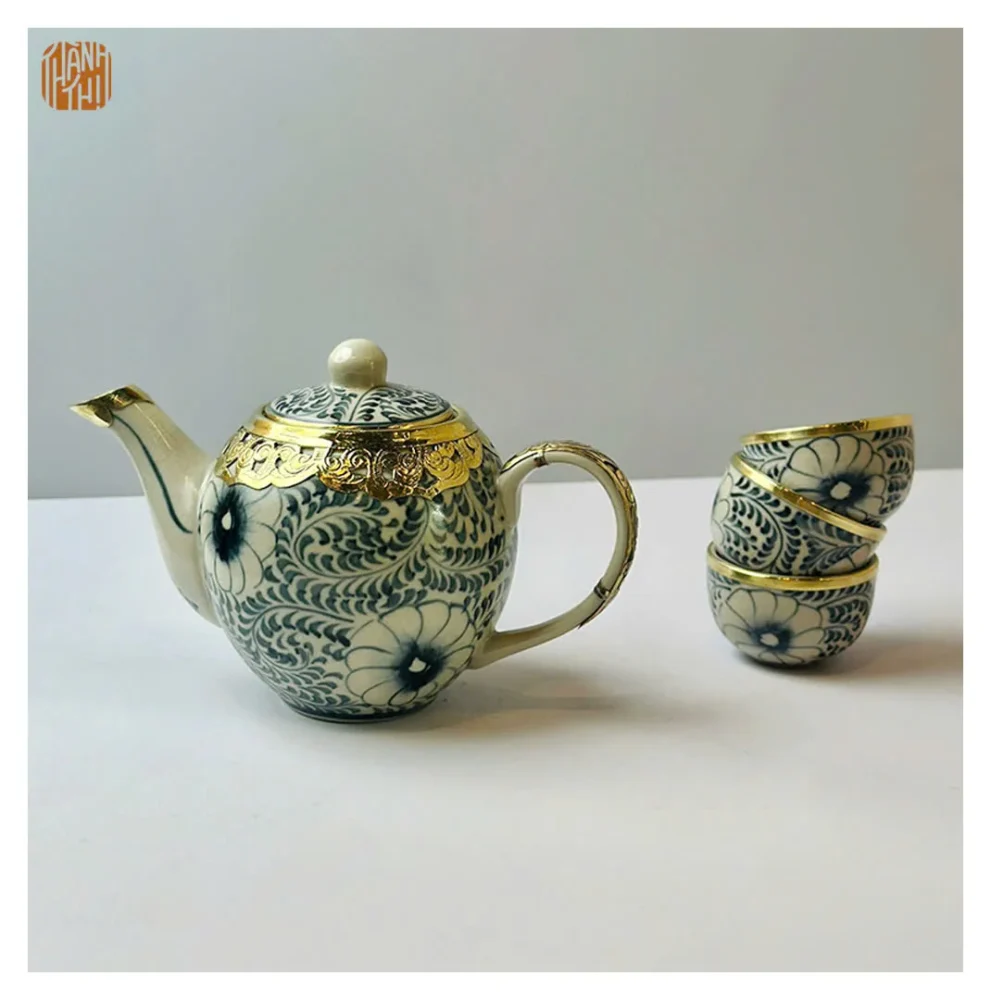
A completely smooth collection can feel visually flat.
Adding one or two pieces with carved, brushed, irregular, or tactile surfaces creates contrast.
Texture becomes especially noticeable when light moves across the objects.
This is one reason handmade ceramics work so well in curated interiors.
Shape Creates Rhythm
Try combining different silhouettes.
A round vessel can sit beside a rectangular plate.
A tall vase can balance a low bowl.
A curved cup can introduce softness beside a more structured object.
The contrast creates rhythm while the shared material keeps the collection visually related.
Leave Some Space
A collection does not become stronger simply because more objects are added.
Negative space matters.
Allowing individual pieces room to breathe makes each form easier to appreciate.
This is particularly important with handmade objects because close observation is part of their appeal.
Think Like a Curator
Instead of asking, “Which pieces match?”
Try asking:
“Which pieces communicate with one another?”
That shift encourages more interesting combinations.
A collection can contain different shapes, sizes, and finishes while still expressing a coherent visual identity.
Bringing Ceramic Handicraft Into Contemporary Spaces
The versatility of ceramic handicraft items makes them suitable for kitchens, dining spaces, shelves, offices, hospitality interiors, and personal collections.
At Thanh Thi Pottery, ceramic offerings span categories such as cups, plates, bowls, tea sets, vases, pots, and decorative collections.
This variety makes it possible to build a collection around relationships rather than identical sets.
The result feels less like a showroom display and more like a personal comp