Ceramic Handicraft Items: How Handmade Objects Create a Distinctive Visual Identity
A room does not develop its personality from furniture alone.
Often, it is the smaller objects that determine whether a space feels calm, expressive, refined, artistic, or deeply personal. A ceramic vessel on a shelf, a handmade bowl on a dining table, or a sculptural object beside a window can subtly influence the atmosphere of an entire room.
This is where ceramic handicraft items become particularly interesting.
Their value is not limited to decoration. Through shape, material, texture, and proportion, handmade ceramics can help create a visual identity that feels individual rather than generic.
Every Space Has a Visual Vocabulary

Think of an interior as having its own vocabulary.
Wood communicates warmth. Metal can introduce precision. Glass creates transparency. Stone suggests permanence.
Ceramics bring another dimension: the combination of earth-derived material, crafted form, and tactile surface.
Because handmade ceramics can vary considerably in shape and finish, they offer many ways to introduce visual personality without changing the fundamental structure of a room.
Repetition Creates Recognition
A single ceramic object can make an impression.
Several related pieces can create something more powerful.
For example, repeating similar tones across different shapes can establish continuity. Using several objects with related textures can create a cohesive visual rhythm.
The pieces do not need to be identical.
They simply need to share certain characteristics.
This allows a collection to feel intentional without becoming overly uniform.
Scale Changes the Way We See Objects
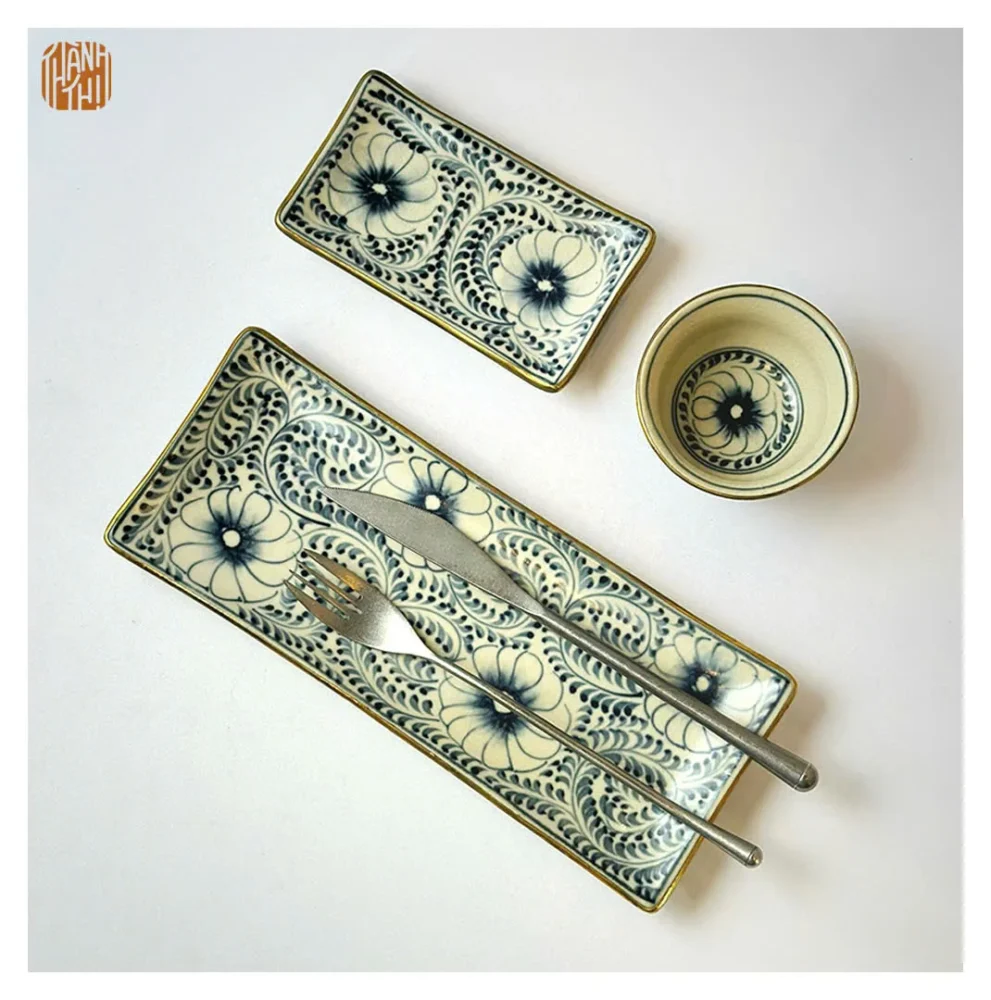
Size is an often-overlooked element of ceramic styling.
A small object can disappear when surrounded by large furniture. A larger vessel may become an immediate focal point.
The relationship between an object and its surroundings therefore matters as much as the object itself.
Try placing a small ceramic piece beside a stack of books or larger architectural elements. Its scale may create a sense of detail.
Place a substantial handmade vessel on an otherwise open surface, and the same material can become a visual anchor.
Texture Gives the Eye Somewhere to Pause
Smooth surfaces are easy to understand visually.
Textured surfaces require more attention.
A handmade ceramic object may contain subtle variations that encourage the eye to move across its surface. Matte finishes, glossy areas, raised details, and natural clay textures can all create different visual sensations.
This is particularly effective in simple interiors.
When a room contains relatively few decorative elements, texture becomes more noticeable.
A single ceramic object can therefore provide visual depth without requiring elaborate patterns.
Contrast Makes Handmade Pieces Stand Out
One of the easiest ways to appreciate ceramic craftsmanship is through contrast.
Place a handmade ceramic object next to a highly polished material and its natural surface becomes more apparent.
Pair a warm-toned ceramic with a cooler environment and the color gains greater visual impact.
Combine an irregular handmade form with clean architectural lines and the difference between human-made variation and geometric precision becomes part of the design.
Contrast does not mean conflict.
It creates definition.
Building a Collection Without Making Everything Match
Collecting ceramic pieces does not require purchasing an identical set.
In fact, collections can become more interesting when different forms share a common visual relationship.
You might combine:
- Different silhouettes with similar glaze tones
- Several sizes within one color family
- Simple forms alongside sculptural pieces
- Matte and glossy surfaces in the same arrangement
- Contemporary shapes with more traditional references
The goal is not perfect matching.
It is visual conversation.
Handmade Objects Reflect Personal Taste
Mass-produced decorative objects often follow widely recognizable styles.
Handcrafted pieces provide more room for personal interpretation.
One person may be drawn toward restrained neutral ceramics. Another may prefer expressive colors and unusual silhouettes. Someone else may enjoy collecting objects primarily because of their tactile qualities.
There is no single definition of beautiful.
That flexibility is one of the strengths of ceramic handicraft items.
They allow people to express preferences that may not fit neatly into a predefined interior style.
Beyond Decoration: Creating Emotional Atmosphere
Visual identity is not only about how a room looks.
It is also about how the space feels.
A softly shaped ceramic object can contribute to a relaxed atmosphere. Strong geometric forms may create a more structured impression. Earth-inspired surfaces can bring a sense of natural warmth.
These effects are subtle, but they accumulate.
Over time, the objects surrounding us influence our perception of home.
Vietnamese Craft in a Personal Setting
Vietnamese handmade ceramics can bring another layer of meaning to a personal environment.
Rather than displaying cultural objects simply as representations of a destination, homeowners can choose pieces that genuinely fit their aesthetic preferences.
This creates a more natural relationship between craftsmanship and daily life.
At Thanh Thi Pottery, ceramic pieces can be viewed as individual design elements—objects that carry the qualities of Vietnamese craftsmanship while leaving room for the owner to create their own visual story.
Let Objects Speak Without Saying Too Much
A well-designed space does not need to be filled with decoration.
Sometimes, a few carefully selected objects create a stronger impression than a crowded collection.
Ceramic handicraft items work particularly well in this context because their appeal can come from understated details: the curve of a silhouette, the movement of a glaze, the weight of the material, or the subtle irregularity of a handmade surface.
These details may not demand attention immediately.
But they reward people who take the time to look.
Create a Space That Feels Like Yours
The most successful interiors are rarely those that perfectly reproduce a catalogue page.
They are spaces that reveal something about the people who live in them.
Handmade ceramics can contribute to that individuality.
A carefully chosen collection can establish rhythm, introduce contrast, add texture, and create visual memories without overwhelming the room.
Ultimately, the purpose of ceramic handicraft items is not simply to make a space more beautiful.
It is to make the space feel more distinctly yours.