Ceramic Cups Handmade: How Texture Changes the Way We Enjoy Everyday Drinks
Discover how ceramic cups handmade transform everyday beverages through distinctive textures, organic surfaces, and thoughtful Vietnamese craftsmanship at Thanh Thi Pottery.
Texture Is an Essential Part of Ceramic Design
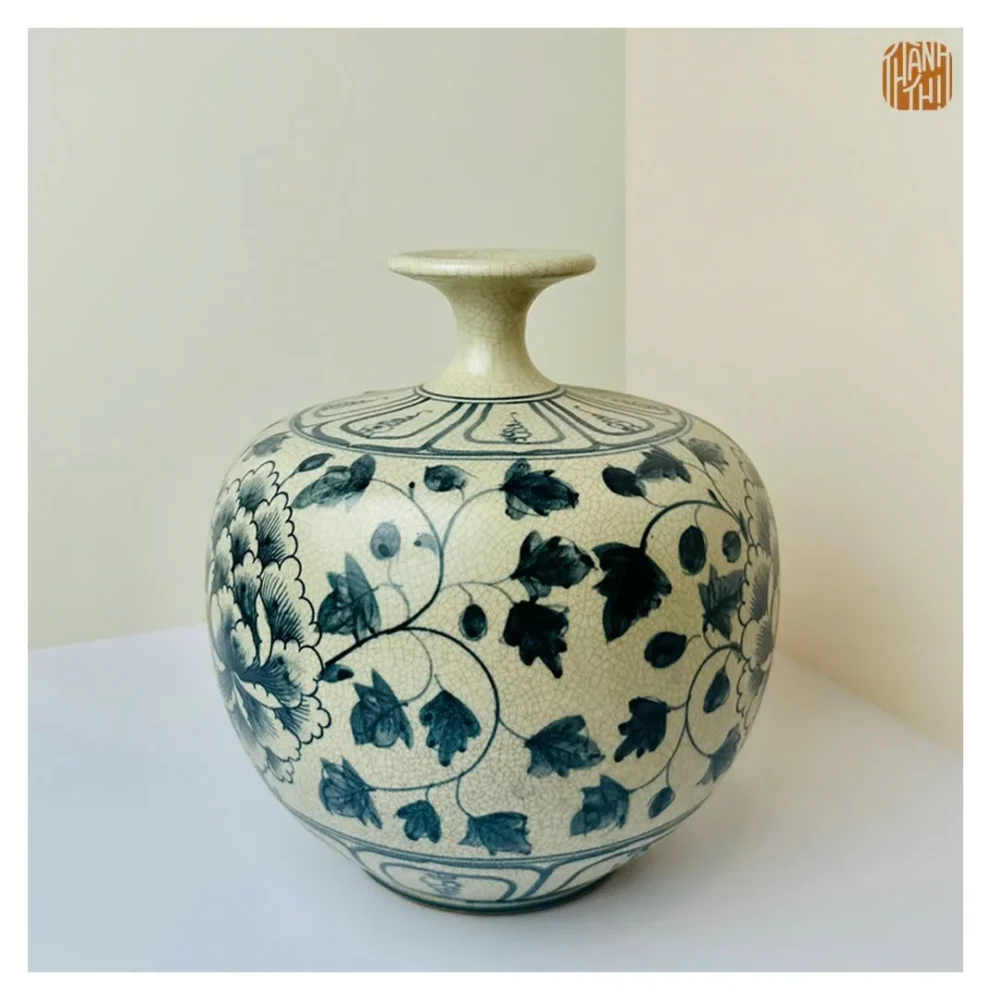
When choosing a cup, people often focus on its shape, color, or size. Yet texture can be just as influential. The surface of a ceramic cup affects how it feels in the hand, how light interacts with the glaze, and even how the object fits into its surroundings.
This is one reason ceramic cups handmade continue to attract people who appreciate authentic craftsmanship. Their surfaces often contain subtle variations that cannot be perfectly reproduced by industrial manufacturing.
At Thanh Thi Pottery, texture is treated as an important element of ceramic design, allowing each cup to develop its own visual and tactile identity.
Why Handmade Texture Feels Different
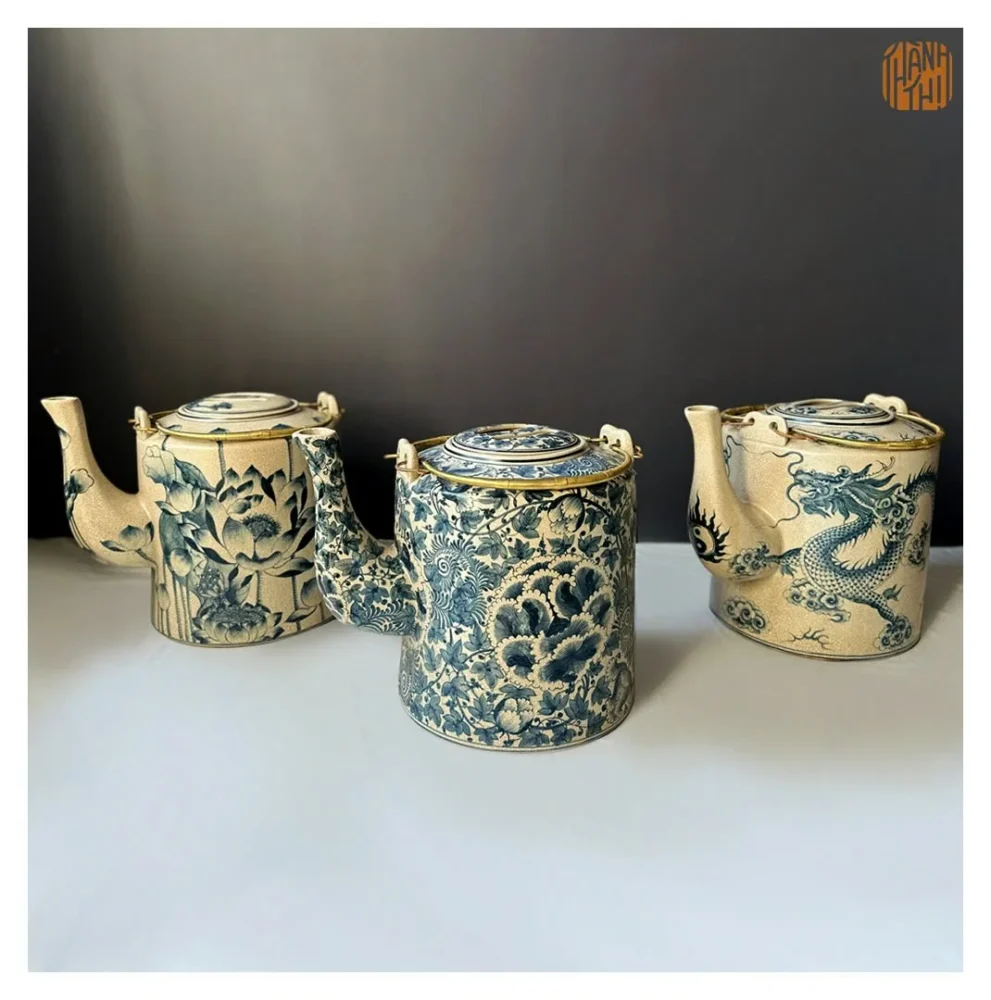
Factory-made drinkware is generally produced to achieve absolute consistency. Every item follows the same measurements, surface treatment, and finishing process.
Handcrafted ceramics follow another philosophy.
Artisans work directly with clay, allowing natural variations to emerge during shaping and glazing. A slightly raised area, a gentle indentation, or a flowing glaze pattern can give the finished cup a distinctive tactile quality.
These characteristics make the object feel connected to the hands that created it.
The Relationship Between Clay and the Hand
Clay responds to pressure, movement, moisture, and temperature.
During the forming process, artisans carefully control these factors to achieve the desired structure. However, the material also contributes its own character.
This interaction between human skill and natural material is what makes handmade ceramics fascinating.
A cup may appear simple at first glance, but closer inspection can reveal:
- Fine surface variations
- Subtle shaping marks
- Organic contours
- Uneven glaze movement
- Distinctive tactile finishes
Rather than reducing these characteristics, skilled artisans allow them to become part of the design.
Glaze Can Transform the Surface
Glazing introduces another layer of personality.
A ceramic cup can feature a smooth glossy finish, a soft matte surface, a textured coating, or a combination of different treatments. During kiln firing, the glaze reacts to intense heat and develops its final appearance.
This process means the finished surface can contain subtle differences in tone and texture.
For ceramic lovers, such variations create a sense of discovery. Each cup becomes slightly different, even when produced as part of the same collection.
Texture and Everyday Comfort
Texture is not only about appearance.
A carefully considered surface can influence how comfortable a cup feels when held. Certain areas may remain smooth for easy handling, while textured sections provide visual contrast and tactile interest.
The balance between these elements requires experience.
At Thanh Thi Pottery, artisans consider both aesthetics and practicality when developing ceramic drinkware, ensuring that distinctive surfaces remain suitable for regular use.
Bringing Tactile Beauty into Modern Spaces
Handmade cups can complement many environments without overwhelming them.
Their natural surfaces work particularly well in:
Minimalist Kitchens
Subtle textures add depth without creating visual clutter.
Creative Studios
Distinctive ceramics reinforce an artistic atmosphere.
Boutique Cafés
Unique drinkware can strengthen the personality of the serving experience.
Personal Dining Spaces
Handcrafted cups add character to everyday meals and beverages.
The Artisan Touch Behind Every Cup
Thanh Thi Pottery combines traditional Vietnamese ceramic knowledge with contemporary craftsmanship.
Each cup passes through multiple stages, from clay preparation and shaping to glazing and kiln firing. Experienced artisans carefully monitor the process to preserve both structural quality and artistic individuality.
The final result is not simply a container for a beverage. It is a tactile object created to be appreciated through repeated use.
Conclusion
Ceramic cups handmade demonstrate how small details can transform ordinary objects into meaningful pieces of craftsmanship.
Through organic textures, distinctive glaze patterns, and carefully shaped surfaces, handmade ceramic cups offer a sensory experience that mass-produced alternatives often cannot provide.
At Thanh Thi Pottery, every cup celebrates the relationship between clay, craftsmanship, and everyday life—proving that even the simplest object can carry remarkable artistic character.