The Enduring Appeal of Handmade Pottery
In a world shaped by speed, automation, and mass production, people are increasingly drawn to objects that feel real, personal, and meaningful. This shift in mindset has brought renewed appreciation for traditional crafts, especially ceramics made by skilled hands. Handmade Pottery stands as a symbol of authenticity, slow living, and a deeper connection between people and the objects they use every day.
Rather than aiming for flawless uniformity, handcrafted ceramics celebrate variation, texture, and the subtle marks left by the maker. These qualities transform everyday items into expressive pieces that carry both function and emotion.
The Philosophy Behind Handcrafted Ceramics
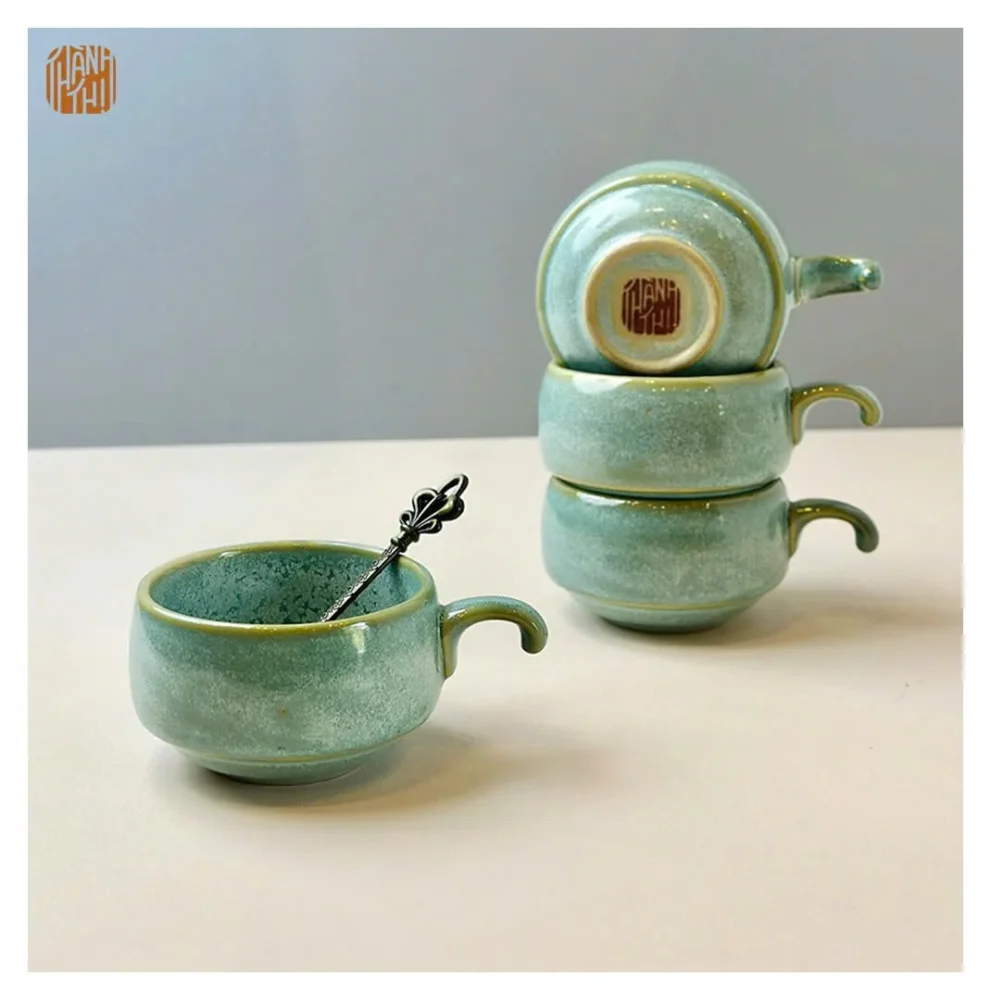
At its core, handcrafted ceramic work is rooted in patience and intention. From preparing the clay to shaping, drying, glazing, and firing, every step requires experience and care. Unlike factory-made products, this process allows the artisan to respond intuitively to the material, adjusting form and technique as the piece evolves.
This philosophy values presence over speed and character over perfection. Small irregularities are not considered defects but rather evidence of the human hand. They remind us that the object was shaped, touched, and finished by a real person, not a machine.
As consumers grow more conscious of how products are made, ceramics crafted in this way feel increasingly relevant. They align with values such as sustainability, mindful consumption, and respect for traditional skills.
Cultural and Historical Significance
Ceramic traditions have existed for thousands of years across cultures worldwide. From ancient Asian kilns to Mediterranean pottery villages, clay has long been used to create tools, vessels, and ceremonial objects. These traditions were passed down through generations, with techniques refined over time but rarely rushed.
Handmade Pottery carries this historical legacy into the present. Each piece reflects not only individual creativity but also cultural memory. The forms, patterns, and glazing styles often reveal the geographic and cultural origins of the maker, turning a simple object into a storyteller.
In many regions, ceramic workshops remain family-run, preserving knowledge that might otherwise be lost in the age of industrial manufacturing. Supporting these crafts helps keep cultural heritage alive.
Materials and Craftsmanship
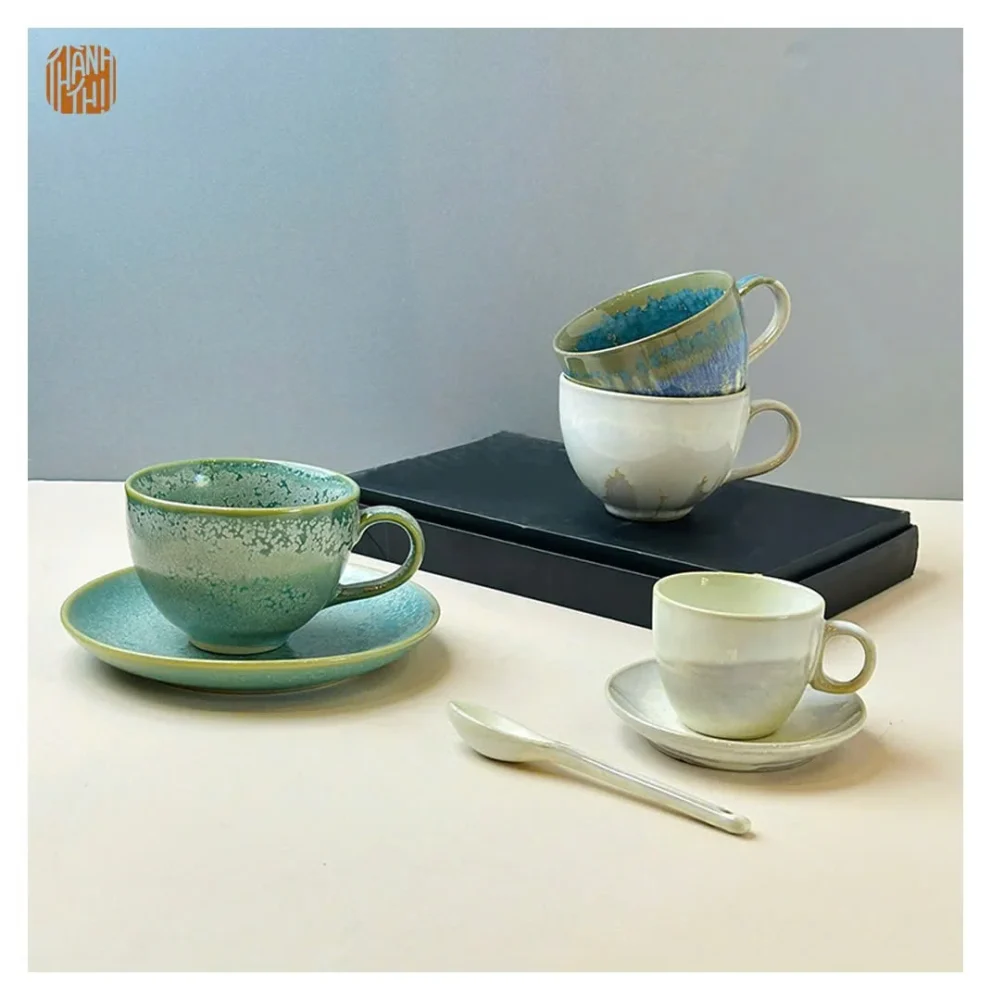
One of the defining qualities of artisan ceramics is the use of natural materials. Most pieces begin with locally sourced clay, chosen for its texture, strength, and firing characteristics. After shaping, the clay is left to dry slowly, allowing moisture to escape evenly and prevent cracking.
Glazing is another critical stage. Artisans often develop their own glaze recipes, experimenting with minerals, ash, and oxides to achieve depth and variation. During firing, heat transforms both clay and glaze, sometimes in unpredictable ways. These natural reactions create rich surfaces that cannot be exactly replicated.
This combination of skill and chance is what makes Handmade Pottery so distinctive. The final result is a balance between control and spontaneity, where no two outcomes are ever identical.
Function Meets Aesthetic Value
Beyond artistic appeal, handcrafted ceramics are designed for real use. Bowls, cups, plates, and serving pieces are made to be handled, washed, and used daily. Their weight, balance, and texture are carefully considered to ensure comfort and durability.
At the same time, these functional items enhance daily rituals. Drinking coffee from a handmade mug or serving food on a ceramic plate adds a tactile, sensory dimension to ordinary moments. The experience feels slower, more intentional, and more connected.
This dual role of function and beauty is a key reason Handmade Pottery continues to resonate with modern consumers. It fits seamlessly into everyday life while elevating it through thoughtful design.
Role in Modern Interior Design
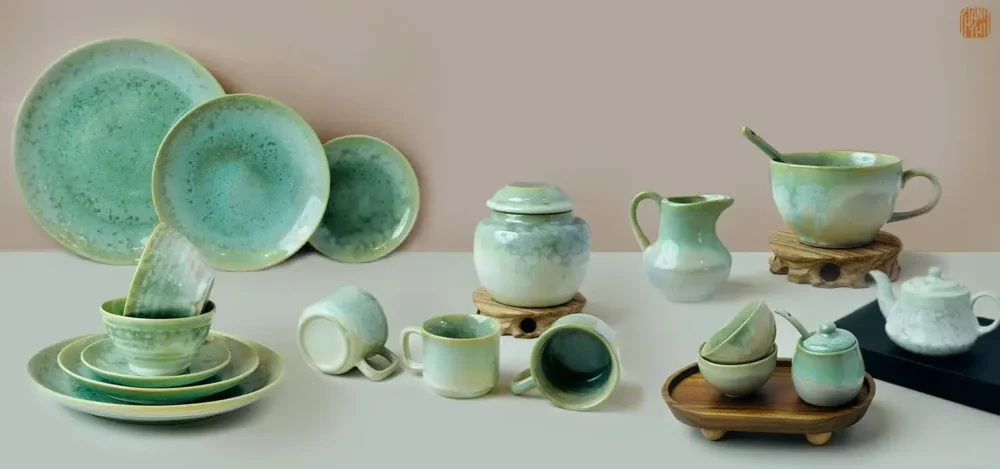
In contemporary interiors, handcrafted ceramics are often used to soften clean lines and minimalist spaces. Their organic forms contrast beautifully with concrete, glass, and metal, bringing warmth and texture into modern homes.
Neutral tones, earthy glazes, and natural finishes allow these ceramic pieces to complement a wide range of styles. Whether placed on open shelves, dining tables, or as decorative accents, they create visual interest without overwhelming the space.
Designers and homeowners alike value the ability of artisan ceramics to make interiors feel lived-in and personal. Each piece contributes character, making spaces feel less like showrooms and more like homes.
Sustainability and Ethical Consumption
As awareness of environmental impact grows, many consumers are rethinking their purchasing habits. Artisan ceramics align well with sustainable values. Production is typically small-scale, uses fewer industrial resources, and generates less waste compared to mass manufacturing.
Handcrafted ceramic pieces are also made to last. Their durability encourages long-term use rather than frequent replacement. This reduces consumption and supports a more responsible approach to buying and owning goods.
Choosing Handmade Pottery is not only an aesthetic decision but also an ethical one. It supports local artisans, reduces reliance on disposable products, and promotes a slower, more mindful lifestyle.
Choosing Quality Artisan Ceramics
When selecting handcrafted ceramic items, quality can be seen and felt. A well-made piece should have a balanced weight, smooth edges, and a stable base. The glaze should feel integrated with the surface rather than sitting on top of it.
Minor variations in shape or color are expected and often desirable. They indicate authenticity and individuality. What matters more is structural integrity and thoughtful craftsmanship.
Learning about the maker, their process, and the materials they use adds another layer of appreciation. This connection between buyer and artisan transforms a simple purchase into a meaningful exchange.
Emotional Connection and Everyday Rituals
One of the most overlooked aspects of handcrafted objects is the emotional bond they create. Using the same ceramic mug each morning or displaying a favorite bowl on a shelf builds familiarity and attachment over time.
These objects become part of daily rituals and personal stories. They age with use, sometimes developing subtle changes that reflect years of handling. This evolving relationship is something mass-produced items rarely offer.
Handmade Pottery excels in creating this sense of connection. It invites users to slow down, notice details, and appreciate the present moment.
Conclusion
In an increasingly digital and fast-paced world, Handmade Pottery offers a return to tactile experience, craftsmanship, and authenticity. It bridges tradition and modern living, providing objects that are both practical and deeply expressive.
Choosing Handmade Pottery means valuing skill over speed, character over perfection, and connection over convenience. These ceramic pieces enrich daily life not through excess, but through thoughtful design, cultural meaning, and enduring beauty.
📍 Visit Thành Thị Pottery
- 193 Lý Thường Kiệt, Hội An, Vietnam
- Tám Kim Ceramics: 32 Bạch Đằng, Hội An, Vietnam
📞 Hotline/Zalo/WhatsApp: +84 934 745 745
📧 Email: thanhthi.potteryvn@gmail.com
🌐 Website: www.thanhthipottery.com
📸 Instagram: @thanhthipottery
 Facebook: Thành Thị Pottery