Handmade Pottery – Why Artisan Ceramics Are Shaping Modern Lifestyle Trends
In recent years, Handmade Pottery has evolved from traditional craft into a global lifestyle statement. Once mainly associated with rural pottery villages or cultural souvenirs, handcrafted ceramics now appear in modern homes, boutique hotels, cafés, and design exhibitions worldwide. This renewed interest reflects a broader shift toward authenticity, sustainability, and appreciation for artisanal craftsmanship.
The Modern Revival of Handmade Pottery
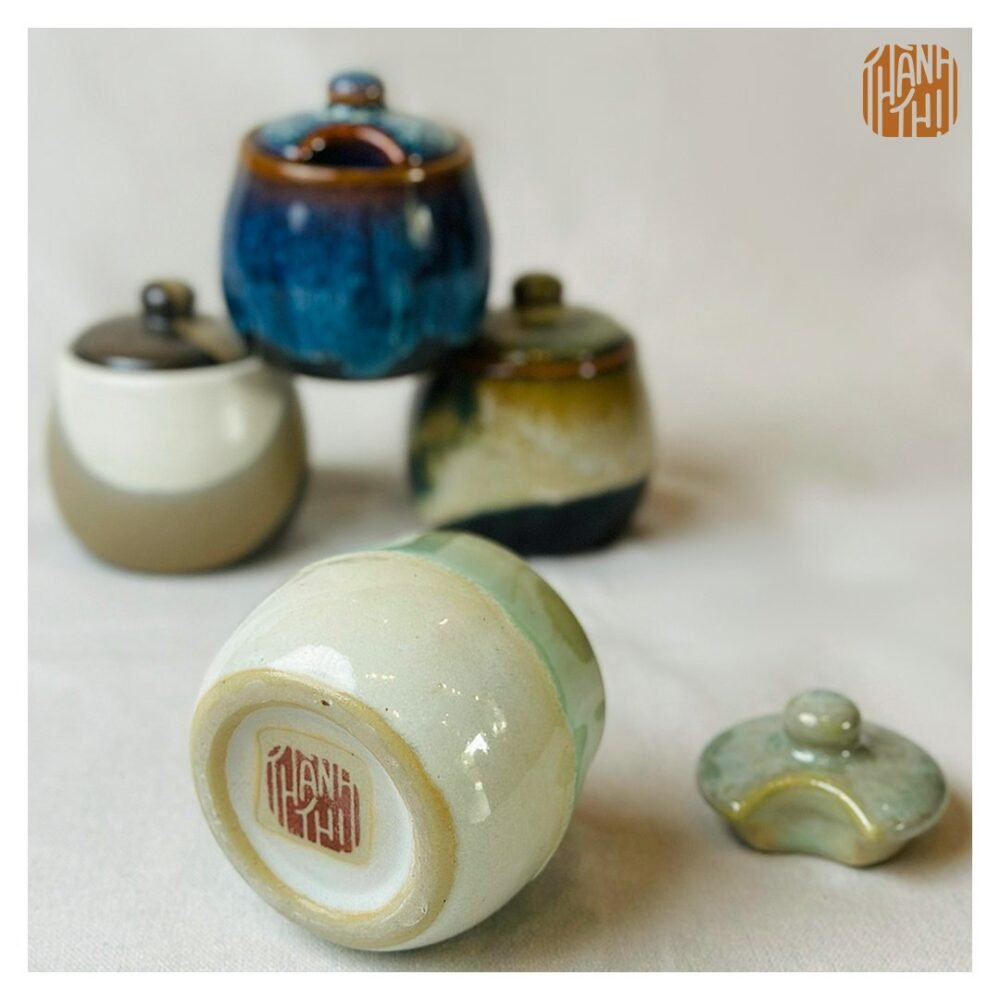
Consumers today increasingly value products with personality, heritage, and environmental responsibility. This cultural shift has fueled a strong revival of Handmade Pottery, especially among younger generations seeking meaningful alternatives to mass-produced goods.
Several factors contribute to this trend:
-
Desire for unique, non-industrial products
-
Interest in sustainable and eco-friendly materials
-
Growing appreciation for artisan craftsmanship
-
Influence of minimalist and natural interior design
Handmade ceramics are no longer niche crafts; they are becoming essential elements in modern lifestyle design.
What Defines True Handmade Pottery
Authentic Handmade Pottery is crafted primarily by hand rather than automated manufacturing. Skilled artisans shape clay, apply glazes, and fire pieces individually, creating subtle variations that give each item character.
Typical characteristics include:
-
Slight asymmetry reflecting manual shaping
-
Natural glaze variations and textures
-
Individual artistic expression
-
Durable materials suitable for daily use
These qualities make handmade pottery both functional and artistically valuable.
Handmade Pottery in Contemporary Interior Design
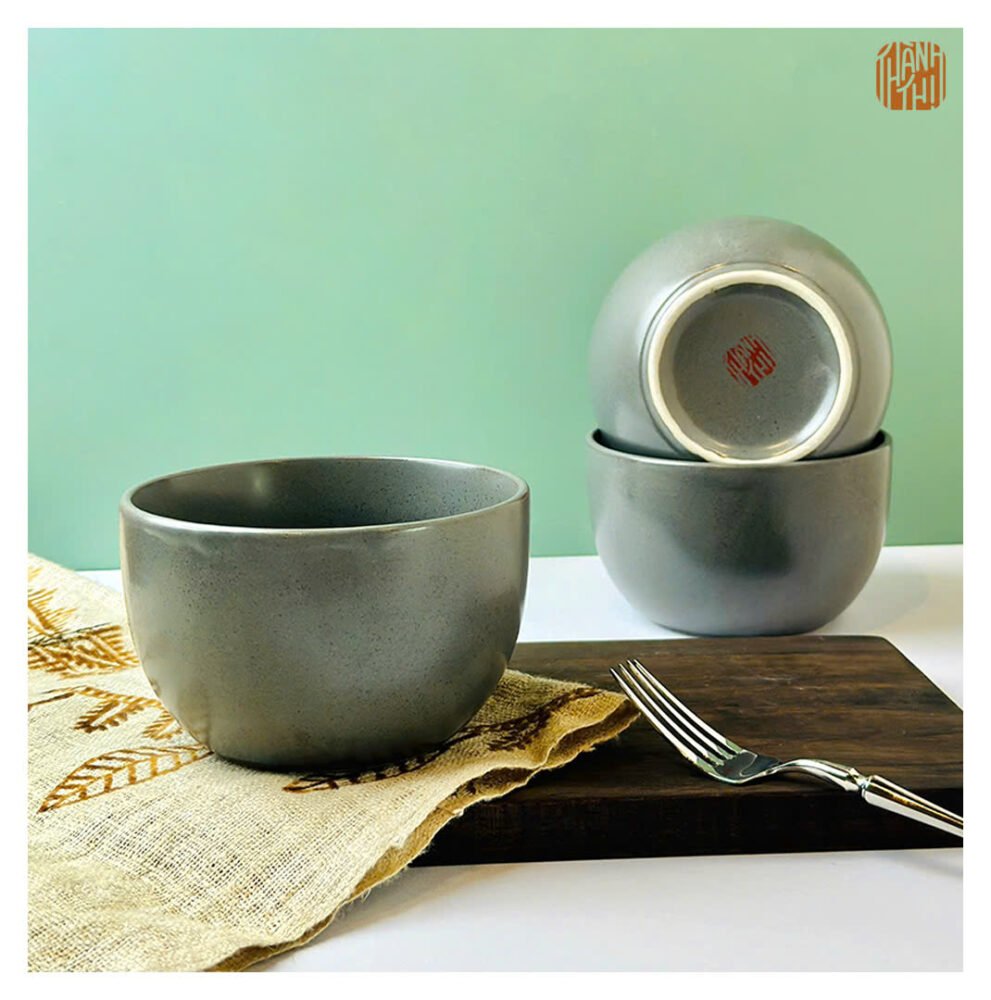
Interior designers increasingly incorporate artisan ceramics into modern spaces. Handmade pottery complements contemporary aesthetics by adding warmth, texture, and authenticity.
Common design applications include:
Decorative accents
Ceramic vases, sculptures, and wall art create focal points in living spaces.
Functional tableware
Handcrafted bowls, plates, and mugs elevate everyday dining experiences.
Hospitality design
Boutique hotels and cafés often use handmade ceramics to enhance atmosphere and brand identity.
Workspace styling
Offices and creative studios use pottery décor to create calming environments.
Because of its versatility, Handmade Pottery fits seamlessly into both traditional and modern interiors.
Sustainability Benefits of Handmade Pottery
Environmental awareness has become a major factor influencing consumer choices. Many artisans producing Handmade Pottery adopt sustainable practices that align with eco-conscious lifestyles.
Key sustainability advantages include:
-
Natural clay materials with minimal synthetic additives
-
Long-lasting durability reducing replacement waste
-
Small-scale production with lower environmental impact
-
Reusable alternatives to disposable products
Choosing handmade ceramics supports both environmental responsibility and ethical craftsmanship.
Handmade Pottery as a Branding Tool for Businesses
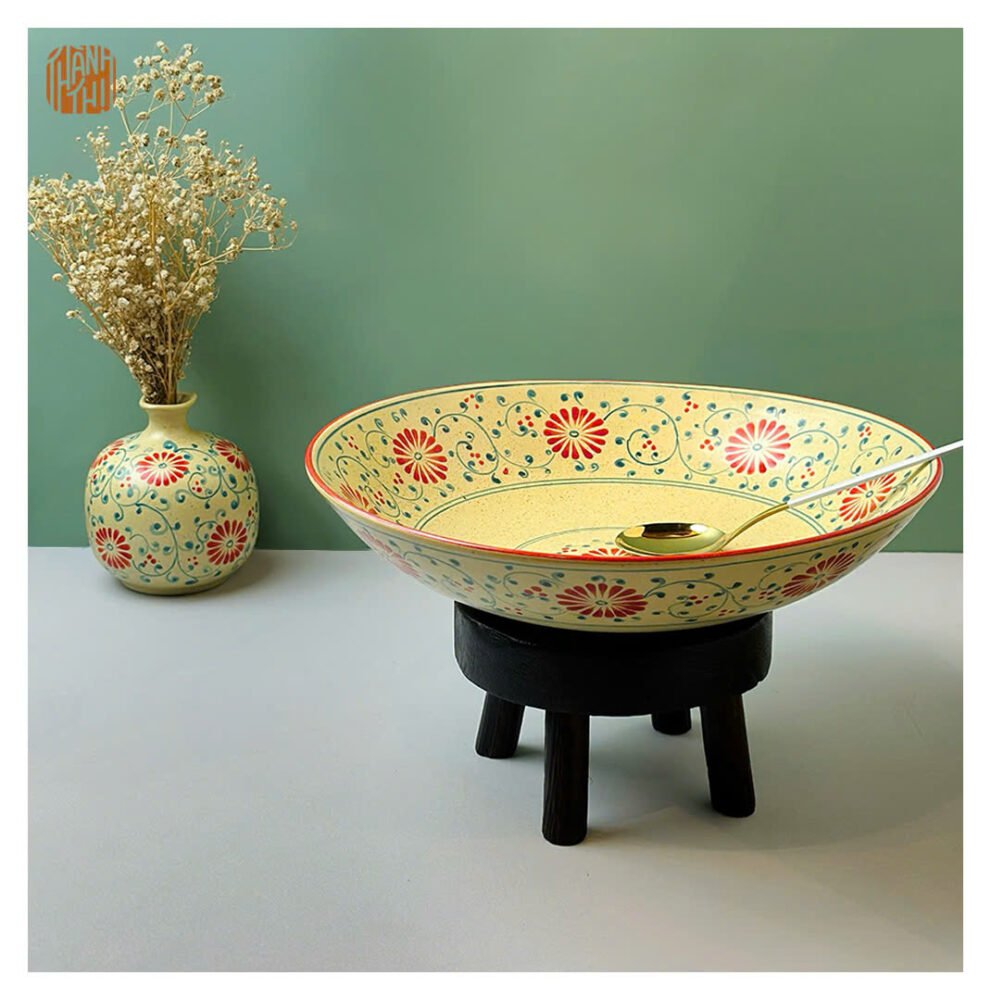
Many businesses are now integrating handcrafted ceramics into their branding strategies. Restaurants, cafés, lifestyle brands, and boutique retailers often choose Handmade Pottery to create distinctive customer experiences.
Business benefits include:
-
Unique visual identity
-
Enhanced tactile customer interaction
-
Strong storytelling potential
-
Alignment with sustainability values
Custom ceramic tableware or decorative pieces help brands stand out in competitive markets.
Handmade Pottery as Meaningful Gifts
Handcrafted ceramics make thoughtful personal and corporate gifts. Their uniqueness and artistic value communicate care and appreciation more effectively than generic products.
Reasons they are ideal gifts:
-
One-of-a-kind artistic character
-
Practical yet decorative use
-
Cultural storytelling aspect
-
Long-lasting durability
Because of these qualities, Handmade Pottery continues to grow in popularity as premium gift items.
How to Choose Quality Handmade Pottery
Selecting authentic ceramics requires attention to craftsmanship and material quality. Here are useful guidelines when purchasing Handmade Pottery:
Inspect craftsmanship
Look for subtle handmade characteristics rather than machine-perfect symmetry.
Evaluate glaze quality
Good ceramics have smooth glazing without cracks or rough edges.
Ask about origin
Reputable sellers often share information about artisans or production methods.
Consider functionality
Well-crafted pottery should feel balanced and comfortable to handle.
These steps help ensure you invest in genuine artisan ceramics.
Future Trends in Handmade Pottery
The future of handmade ceramics looks promising as global consumers continue prioritizing authenticity and sustainability. Emerging trends include:
-
Minimalist ceramic design with natural tones
-
Cross-cultural artisan collaborations
-
Personalized ceramic products
-
Integration with smart interior design concepts
These developments position Handmade Pottery as an enduring element of modern lifestyle and design culture.
Conclusion
Handmade Pottery represents more than traditional ceramic craft — it symbolizes creativity, sustainability, and human artistry in an increasingly industrialized world. From interior décor and hospitality branding to meaningful gifts and eco-conscious living, handcrafted ceramics offer lasting value that mass-produced products cannot replicate.
As appreciation for authenticity continues to grow, handmade pottery remains a timeless choice for individuals, designers, and businesses seeking beauty, functionality, and cultural connection in everyday objects.
📍 Visit Thành Thị Pottery
- 193 Lý Thường Kiệt, Hội An, Vietnam
- Tám Kim Ceramics: 32 Bạch Đằng, Hội An, Vietnam
📞 Hotline/Zalo/WhatsApp: +84 934 745 745
📧 Email: thanhthi.potteryvn@gmail.com
🌐 Website: www.thanhthipottery.com
📸 Instagram: @thanhthipottery
 Facebook: Thành Thị Pottery