Handicraft Ceramic – The Rising Trend in Sustainable Lifestyle and Creative Branding
In recent years, Handicraft Ceramic products have moved far beyond traditional souvenirs. Today, they are widely used in modern interior design, hospitality branding, eco-friendly living, and artistic expression. Combining traditional craftsmanship with contemporary aesthetics, handcrafted ceramics offer both functionality and cultural value, making them increasingly popular worldwide.
What Makes Handicraft Ceramic Unique?
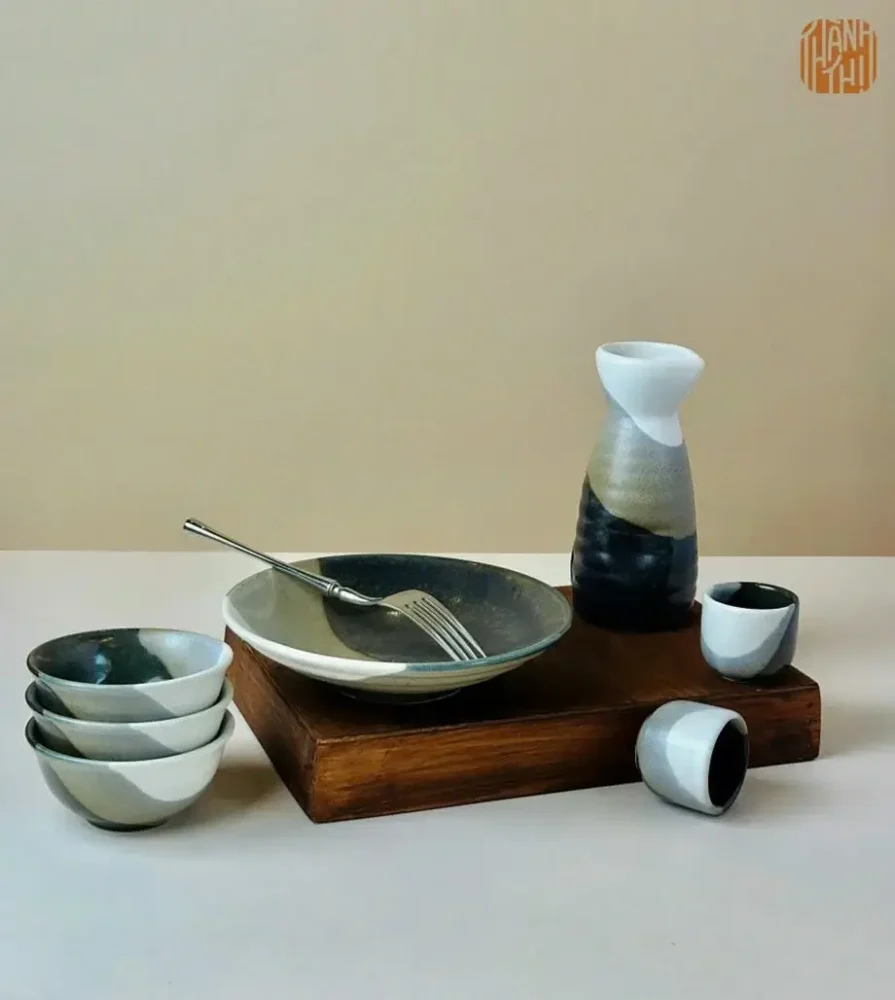
Unlike industrial ceramic production, handicraft ceramics are made individually by skilled artisans. Each item carries subtle variations that reflect human creativity rather than machine precision.
Key characteristics of Handicraft Ceramic products include:
-
Individually shaped and finished by hand
-
Natural materials such as clay and mineral glazes
-
Artistic imperfections that create uniqueness
-
Cultural inspiration embedded in design
These qualities transform everyday objects into meaningful artistic pieces.
Handicraft Ceramic in Modern Branding
Many cafes, boutique hotels, and lifestyle brands now use handcrafted ceramics to build a distinctive identity. Custom ceramic tableware or décor elements can elevate brand perception while supporting artisanal craftsmanship.
Businesses choose Handicraft Ceramic because it:
-
Enhances customer experience through tactile design
-
Creates memorable visual identity
-
Communicates authenticity and sustainability
-
Differentiates brands from mass-market competitors
This trend is especially visible in hospitality, retail, and creative industries.
Sustainable Living with Handicraft Ceramic
Sustainability is a major global concern, and handmade ceramics align well with eco-conscious lifestyles. Many artisans prioritize environmentally friendly practices.
Benefits include:
-
Long-lasting durability reducing replacement waste
-
Natural raw materials with minimal synthetic additives
-
Small-batch production minimizing industrial pollution
-
Reusable alternatives to disposable products
Choosing Handicraft Ceramic products supports responsible consumption while maintaining aesthetic value.
Popular Types of Handicraft Ceramic Products
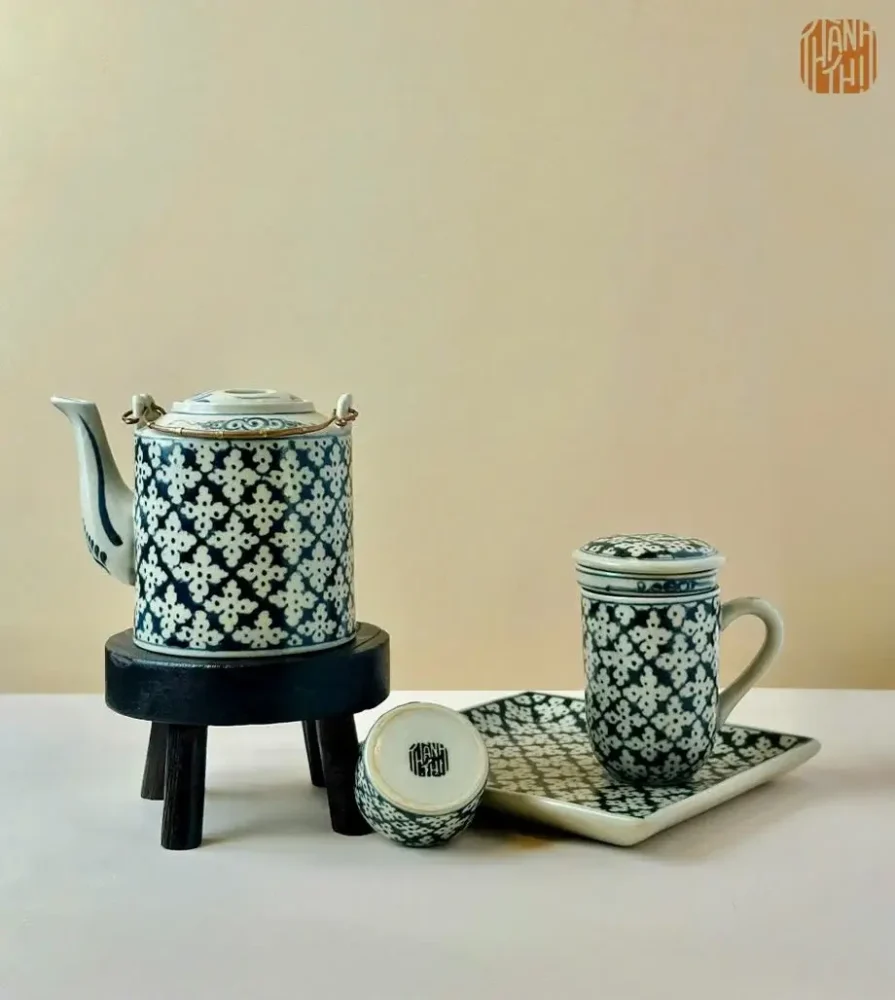
The versatility of handcrafted ceramics makes them suitable for various applications in daily life.
Home décor ceramics
Artistic vases, sculptures, wall plates, and decorative pottery add personality to living spaces.
Functional tableware
Bowls, mugs, teapots, and serving dishes combine practical use with artistic design.
Corporate and promotional gifts
Customized ceramic products are increasingly used for branding and business gifting.
Artistic collectible pieces
Limited-edition ceramics appeal to collectors and art enthusiasts.
These diverse applications continue to drive demand for Handicraft Ceramic products globally.
How to Identify Quality Handicraft Ceramic
Not all ceramics labeled handmade are genuinely handcrafted. Knowing how to identify authentic pieces helps ensure value and durability.
Look for natural variations
Slight asymmetry or glaze differences often indicate handmade craftsmanship.
Assess material quality
Good ceramics feel solid, balanced, and smooth to the touch.
Check artisan information
Reputable sellers often share details about production methods or artists.
Evaluate finishing details
Quality glazing should be consistent without cracks or sharp edges.
Careful selection ensures you receive true Handicraft Ceramic value.
Cultural and Artistic Significance
Handcrafted ceramics often reflect cultural heritage, regional identity, and artistic storytelling. Many traditional techniques have been preserved for centuries.
By supporting Handicraft Ceramic artisans, consumers help:
-
Preserve traditional craft skills
-
Promote cultural diversity
-
Encourage creative innovation
-
Sustain local artisan economies
This cultural dimension adds depth beyond simple product functionality.
The Future of Handicraft Ceramic
As consumers increasingly value sustainability, authenticity, and artistic individuality, handcrafted ceramics are expected to grow in global popularity. Designers continue experimenting with modern forms, innovative glazing, and cross-cultural influences.
Emerging trends include:
-
Minimalist ceramic aesthetics
-
Functional art for modern homes
-
Collaboration between artisans and designers
-
Eco-conscious production techniques
These developments position Handicraft Ceramic as a key element in future design and lifestyle markets.
Conclusion
Handicraft Ceramic represents more than handmade pottery — it symbolizes creativity, sustainability, cultural heritage, and modern design innovation. From home décor and hospitality branding to eco-friendly living and artistic collecting, handcrafted ceramics continue to gain global appreciation.
Whether you are a business owner, designer, traveler, or art lover, investing in handcrafted ceramics means supporting authentic craftsmanship while enriching your environment with unique artistic value.
📍 Visit Thành Thị Pottery
- 193 Lý Thường Kiệt, Hội An, Vietnam
- Tám Kim Ceramics: 32 Bạch Đằng, Hội An, Vietnam
📞 Hotline/Zalo/WhatsApp: +84 934 745 745
📧 Email: thanhthi.potteryvn@gmail.com
🌐 Website: www.thanhthipottery.com
📸 Instagram: @thanhthipottery
 Facebook: Thành Thị Pottery