Handmade Pottery in Hoi An: Discovering the Visual Language of Color and Glaze
Color is often the first thing people notice when looking at pottery. Yet on a handmade ceramic piece, color is rarely just decoration.
The way a glaze moves across a curved surface, the contrast between a matte exterior and glossy interior, or the subtle variation between two pieces can completely change how pottery is perceived.
This is part of what makes Handmade Pottery in Hoi An particularly fascinating. The visual identity of a ceramic piece is created through a relationship between clay, surface, light, and artistic intention.
Instead of treating color as an afterthought, it can be understood as a language.
Why Ceramic Color Feels Different From Painted Color
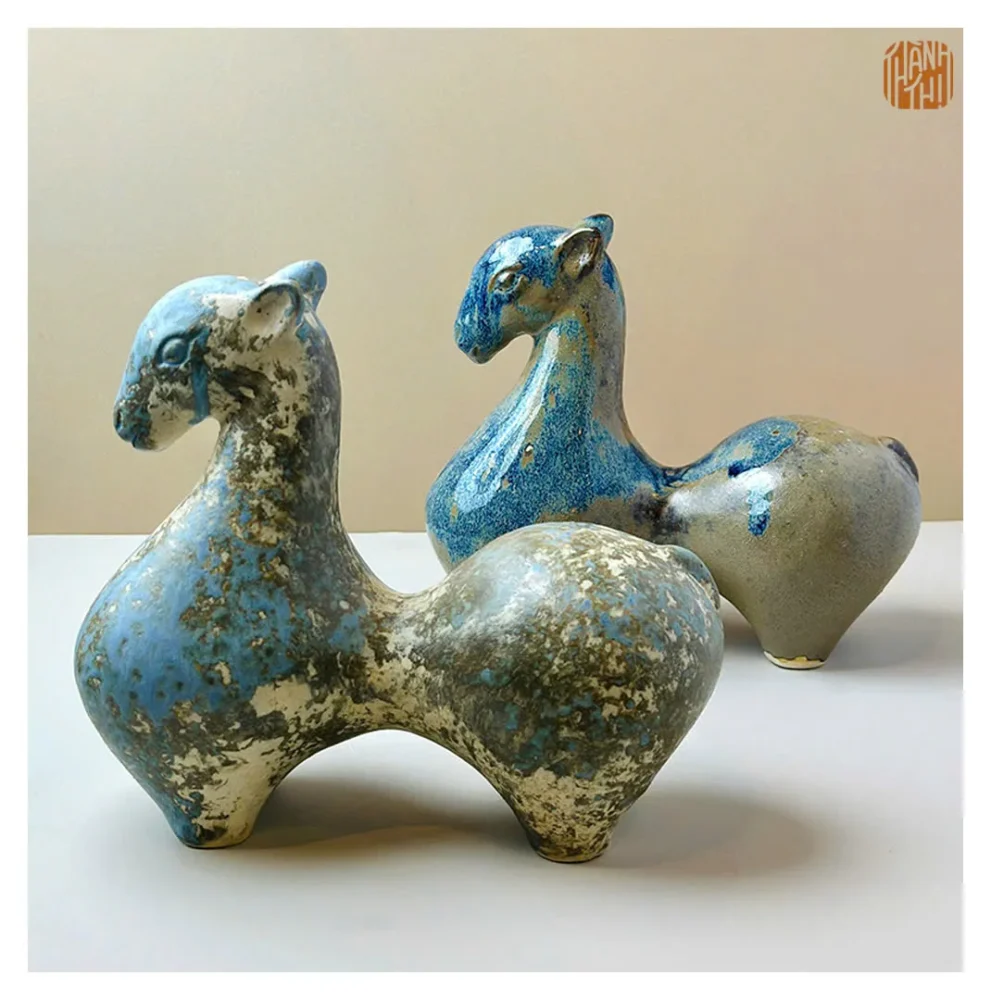
On a flat surface, color tends to remain relatively predictable.
Ceramics are different.
A glaze interacts with the shape beneath it. Curves may catch more light, while recessed areas can appear darker or more concentrated. The final result may therefore have visual depth that cannot be achieved simply by painting a single color onto an object.
This creates a dynamic quality.
A blue ceramic cup, for example, may appear lighter along its curved shoulder and deeper around its base. A neutral glaze can reveal warm or cool undertones depending on the surrounding light.
The object seems to change as you move around it.
Glaze Can Shape the Mood of a Collection

Color influences emotion.
Soft neutral tones can create a quiet, understated atmosphere. Deep colors may feel dramatic and expressive. Earth-inspired shades often connect visually with natural materials such as wood, stone, linen, and plants.
For this reason, glaze selection plays an important role in establishing the personality of a pottery collection.
More Than One Color Can Tell a Story
Some ceramic designs rely on a single dominant tone. Others combine several shades through layering, transitions, or natural movement during firing.
The relationship between these colors can create a visual rhythm.
Instead of asking whether a piece is simply “colorful” or “simple,” consider how the colors interact.
Does the surface feel calm?
Does it create contrast?
Does the glaze emphasize the shape?
Does it allow the texture of the clay to remain visible?
These questions make ceramic appreciation much more interesting.
The Beauty of Subtle Variation
Handmade pottery does not always produce perfectly identical surfaces.
One piece may have a slightly stronger glaze concentration than another. A particular area might reveal a softer transition or a small change in tone.
These variations can become part of the character of handmade ceramics.
Rather than making every piece visually interchangeable, subtle differences allow each object to retain an individual presence.
This is especially meaningful in Handmade Pottery in Hoi An, where visitors often encounter objects that combine practical design with the visual qualities of handcrafted work.
Light Changes the Ceramic Experience
A ceramic piece should not be judged under only one lighting condition.
Natural daylight can reveal details that appear less noticeable under artificial lighting. Glossy surfaces may reflect their surroundings, while matte finishes absorb light and create a softer appearance.
Try viewing a ceramic object near a window, then under warmer indoor light.
The difference can be surprisingly noticeable.
Texture Works Together With Color
Color becomes even more expressive when combined with texture.
A rough clay surface can make a muted glaze feel earthy. A smooth polished finish can make the same color appear more refined.
This relationship between surface and color is one reason handmade ceramics can feel visually rich without requiring complicated decoration.
Hoi An as Inspiration Without Becoming Literal
The visual character associated with Hoi An does not have to appear through obvious symbols.
It can be expressed more subtly.
Warm architectural tones, weathered surfaces, natural materials, changing daylight, and the relaxed atmosphere of the old town can all inspire a quieter approach to ceramic design.
This allows handmade pottery to connect with its surroundings without simply reproducing recognizable tourist imagery.
The result can feel both connected to place and relevant to contemporary interiors.
Choosing Pottery Through Its Visual Personality
When exploring handmade ceramics, try identifying the emotional quality of different pieces.
Perhaps one feels peaceful and minimal.
Another may appear energetic because of its stronger glaze.
A third might attract attention through a restrained combination of texture and neutral color.
There is no universally correct choice.
The most meaningful piece may simply be the one whose visual personality resonates with you.
Handmade Pottery as a Study in Color
The appeal of Handmade Pottery in Hoi An goes beyond shape and function.
Every surface carries information about color, light, texture, and material. These elements work together to create an object that can look subtly different depending on where it is placed and how it is viewed.
At Thanh Thi Pottery, this perspective invites visitors to look more carefully at handmade ceramics—not only as objects, but as expressions of material and visual culture.
Sometimes, the most beautiful detail is not a bold pattern or elaborate decoration.
It is the quiet transition of a glaze across clay, catching the light for just a moment.