Ceramic Handicraft Items: How Artisans Turn Everyday Objects into Functional Art
An everyday object does not have to be ordinary.
A bowl can become a sculptural centerpiece. A vase can introduce personality to an empty corner. A small tray can transform a simple serving ritual into something memorable. This combination of practical purpose and artistic expression is what makes ceramic handicraft items increasingly appealing to people who appreciate meaningful design.
At Thanh Thi Pottery, artisans approach ceramics with the idea that functionality and creativity should coexist. Each creation is designed to serve a purpose while adding visual and tactile character to everyday surroundings.
The Difference Between Decoration and Functional Art
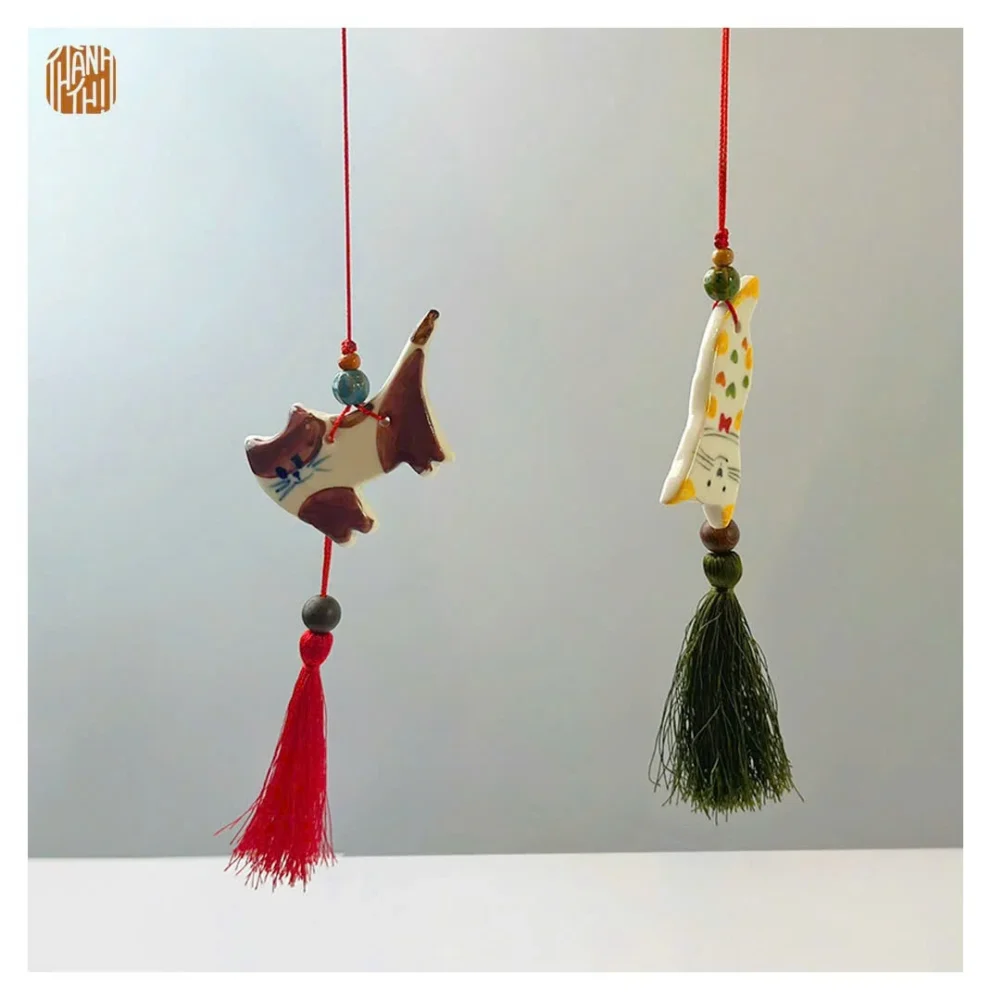
Decorative objects are primarily created to be admired, while functional ceramics are designed to participate in daily life.
Handcrafted pottery can occupy both roles simultaneously.
Consider a ceramic serving platter. It can display food during a family gathering while also becoming an attractive centerpiece when placed on a dining table. Similarly, a vase can hold flowers while contributing to the overall visual identity of a room.
This versatility gives handmade ceramics a unique place between traditional craftsmanship and contemporary design.
Designing Around Everyday Habits
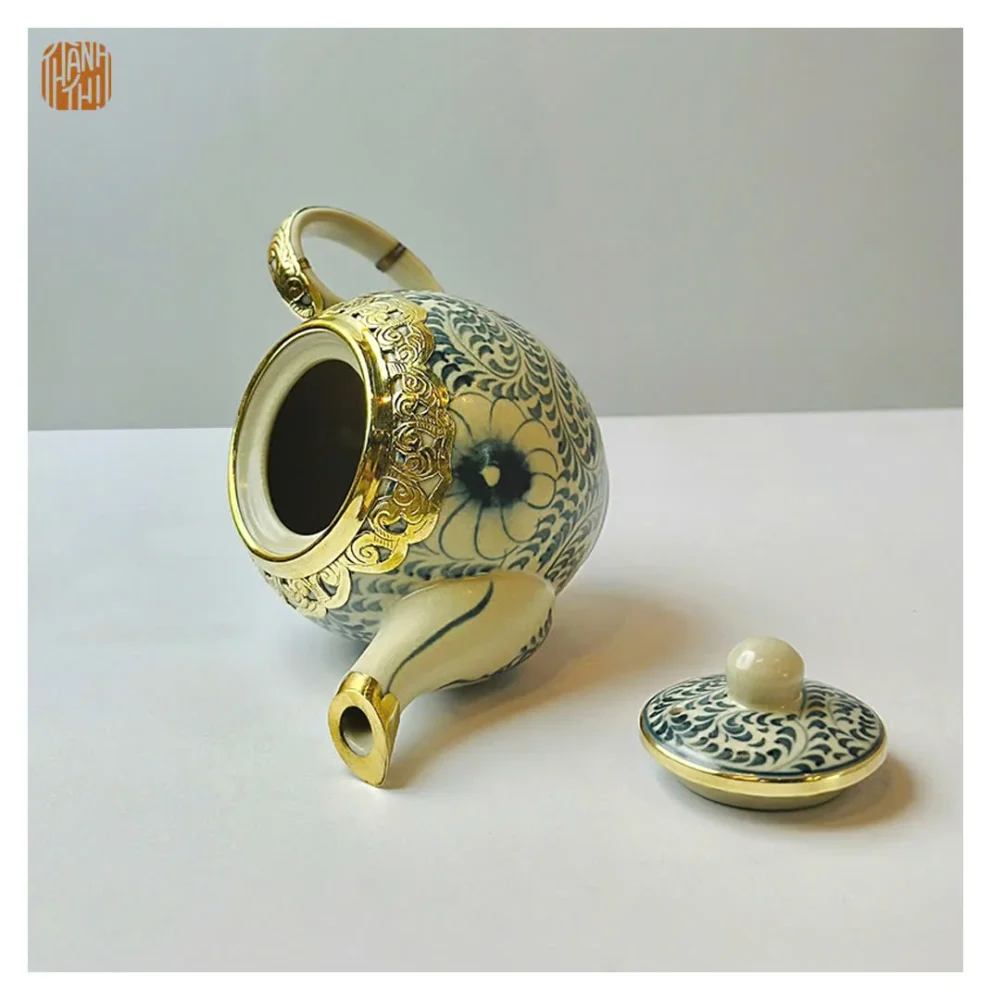
Good ceramic design begins with understanding how an object will be used.
Artisans consider factors such as:
- Proportion
- Weight
- Balance
- Surface texture
- Ease of handling
- Practical dimensions
These details influence how naturally an object fits into everyday routines.
A well-designed ceramic piece should not simply look beautiful. It should feel intuitive when someone picks it up, uses it, cleans it, or places it back in its usual position.
From Simple Forms to Distinctive Objects
Ceramic artistry does not always require complicated shapes.
Sometimes, the most memorable pieces are based on simple forms enhanced by carefully considered details.
A rounded bowl may gain character from an irregular rim. A straightforward vase can become distinctive through an unusual glaze. A small plate can appear more artistic through subtle texture.
This approach allows artisans to create products that remain elegant without becoming visually overwhelming.
The Role of Glaze in Functional Ceramics

Glazing is one of the stages that gives ceramic products their final personality.
Different finishes can create dramatically different impressions.
Smooth Surfaces
Ideal for contemporary and minimalist environments.
Matte Finishes
Provide a softer, understated appearance.
Layered Glazes
Create visual depth through variations in color and tone.
Textured Finishes
Introduce a tactile dimension that encourages interaction.
The choice of glaze must also complement the intended function of each piece.
Handmade Ceramics in Contemporary Spaces
Functional ceramic art can adapt to a wide variety of environments.
Dining Areas
Handcrafted bowls, plates, and serving pieces can elevate ordinary meals.
Living Spaces
Vases and sculptural objects provide subtle artistic accents.
Workspaces
Small ceramic containers and organizers bring warmth to otherwise digital environments.
Hospitality Settings
Restaurants, cafés, and boutique accommodations can use artisan ceramics to establish a distinctive atmosphere.
The versatility of handmade ceramics allows them to become part of both private and commercial spaces.
Why Handmade Production Matters
Every handmade ceramic piece involves direct decisions from the artisan.
The creator controls the form, surface treatment, decorative details, and finishing process. These choices create an object with a recognizable human presence.
At Thanh Thi Pottery, artisans preserve traditional Vietnamese techniques while exploring forms suitable for contemporary lifestyles.
The result is a collection of ceramics that respects heritage without being limited by the past.
Choosing Ceramics with Purpose
When purchasing handmade ceramics, consider more than appearance.
Think about how the object will be used, where it will be placed, and whether its design can remain relevant over time.
A thoughtfully selected piece can become part of daily life for years rather than functioning as temporary decoration.
Conclusion
Ceramic handicraft items demonstrate that practical objects can also possess artistic value. Through thoughtful proportions, distinctive surfaces, and skilled craftsmanship, everyday ceramics become meaningful elements of modern living.
At Thanh Thi Pottery, each creation brings together function, creativity, and Vietnamese artisan heritage—proving that beautiful design can be experienced through the objects we use every day.