Ceramic Cups Handmade: Why the Cup You Hold Matters More Than You Think
When people search for ceramic cups handmade, they are rarely just looking for a container to hold coffee or tea. What they are really looking for is a feeling — weight in the hand, warmth on the lips, and the quiet satisfaction of using something made by a real person, not a factory line.
Unlike mass-produced ceramic cups, handmade ceramic cups carry subtle imperfections that are intentional. These details are not flaws; they are the fingerprints of craftsmanship. Each curve, glaze flow, and rim thickness is shaped by human judgment, not automation.
What Makes Ceramic Cups Truly Handmade?
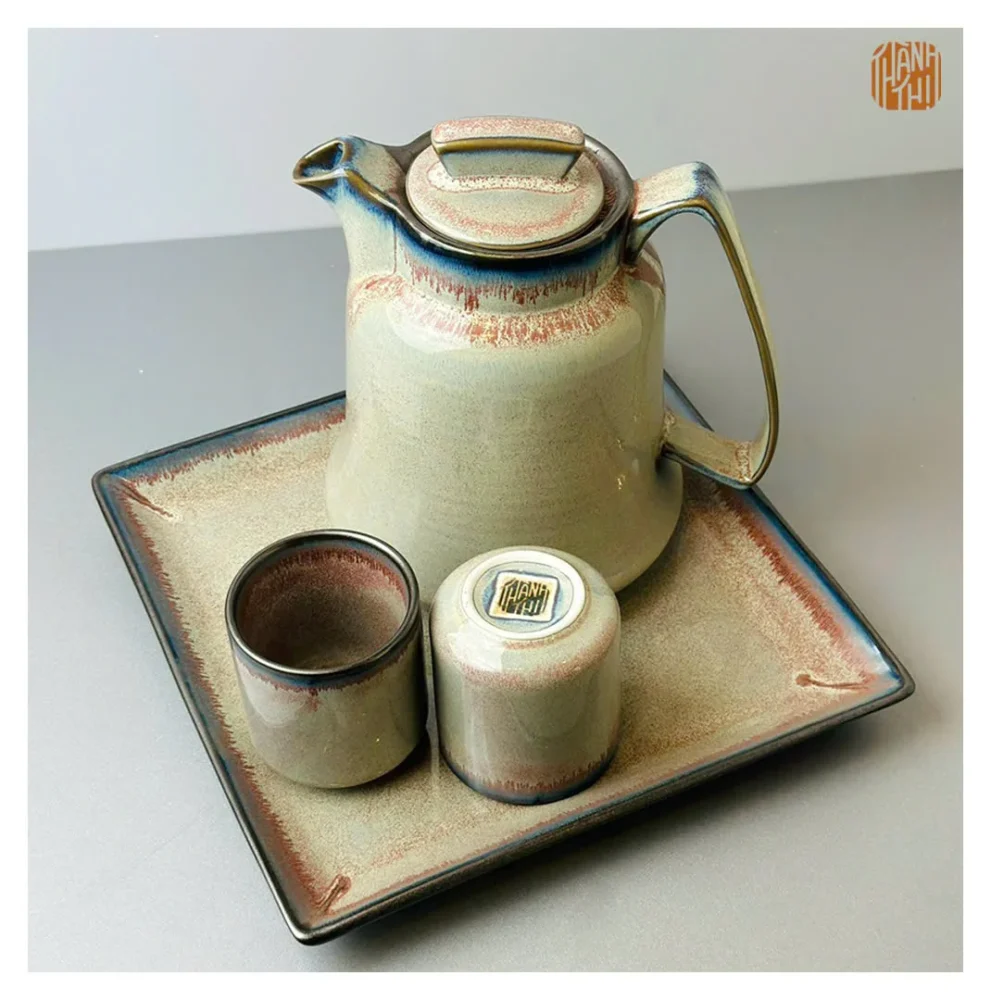
A ceramic cup can only be called handmade when the forming, shaping, and finishing processes are done by artisans using traditional methods such as wheel throwing or hand molding. In these processes:
-
Clay is shaped manually, not injected into molds
-
Wall thickness varies slightly, improving grip and heat retention
-
Each cup undergoes individual inspection before firing
This results in ceramic cups that feel balanced and natural in the hand. No two cups are ever exactly the same, even within the same batch.
Functional Differences You Can Feel Every Day
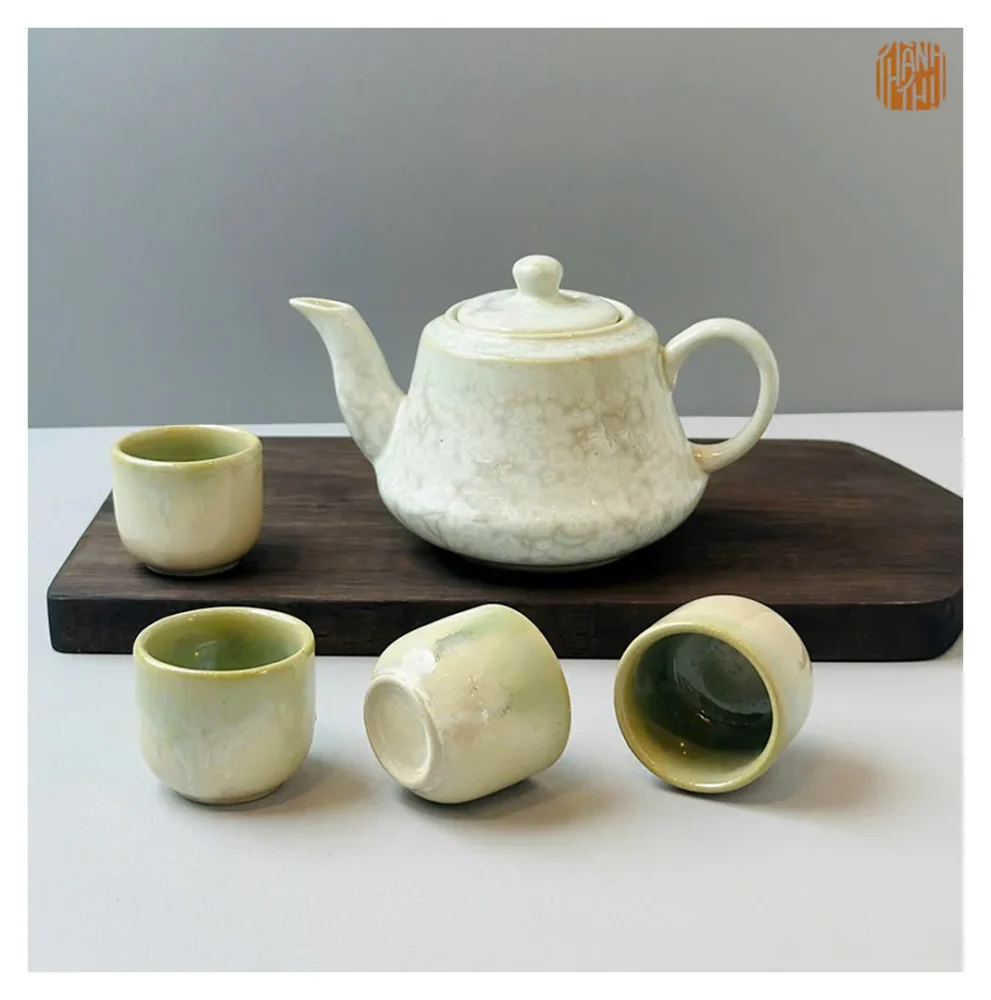
Handmade ceramic cups are not just visually different — they behave differently in daily use.
Because artisans control the clay density and firing temperature, handmade cups often retain heat more evenly. Coffee cools slower, tea stays warm longer, and the cup itself does not overheat the fingers.
Another overlooked factor is the rim. Handmade ceramic cups usually feature a softer, rounded lip, making drinking more comfortable compared to sharp-edged industrial cups.
These are small details, but they accumulate into a noticeably better experience over time.
Glaze Is Not Just Decoration
In handmade ceramic cups, glaze serves both aesthetic and functional purposes. Natural glazes react differently during firing, creating unique patterns that cannot be replicated by machines.
More importantly, high-quality handmade ceramic cups use food-safe glazes fired at high temperatures. This ensures:
-
No metallic aftertaste
-
No chemical leaching into beverages
-
Long-term durability under daily washing
Artisans adjust glaze thickness carefully, especially inside the cup, to balance smoothness and stain resistance.
Why Handmade Ceramic Cups Last Longer Than You Expect
There is a common misconception that handmade means fragile. In reality, properly fired handmade ceramic cups are often more durable than factory cups.
Artisans design cups with stress points in mind — especially the handle joint and base. Handles are attached and reinforced manually, reducing the risk of cracking under repeated use.
Many users find that handmade ceramic cups age gracefully, developing character rather than defects, even after years of daily use.
Who Should Choose Ceramic Cups Handmade?
Handmade ceramic cups are ideal for:
-
Coffee and tea drinkers who value ritual
-
Homeowners who want meaningful kitchenware
-
Cafés seeking a distinctive, authentic presentation
-
Gift buyers looking for something personal, not generic
They are especially popular among people who want their everyday objects to reflect personal taste rather than mass trends.
More Than a Cup, It’s a Daily Companion
Choosing ceramic cups handmade is not about luxury. It is about intention. These cups invite you to slow down, to notice texture, temperature, and weight — things we often ignore in a fast-paced routine.
In a world filled with identical products, a handmade ceramic cup quietly reminds you that some things are better when they are made slowly, carefully, and by hand.